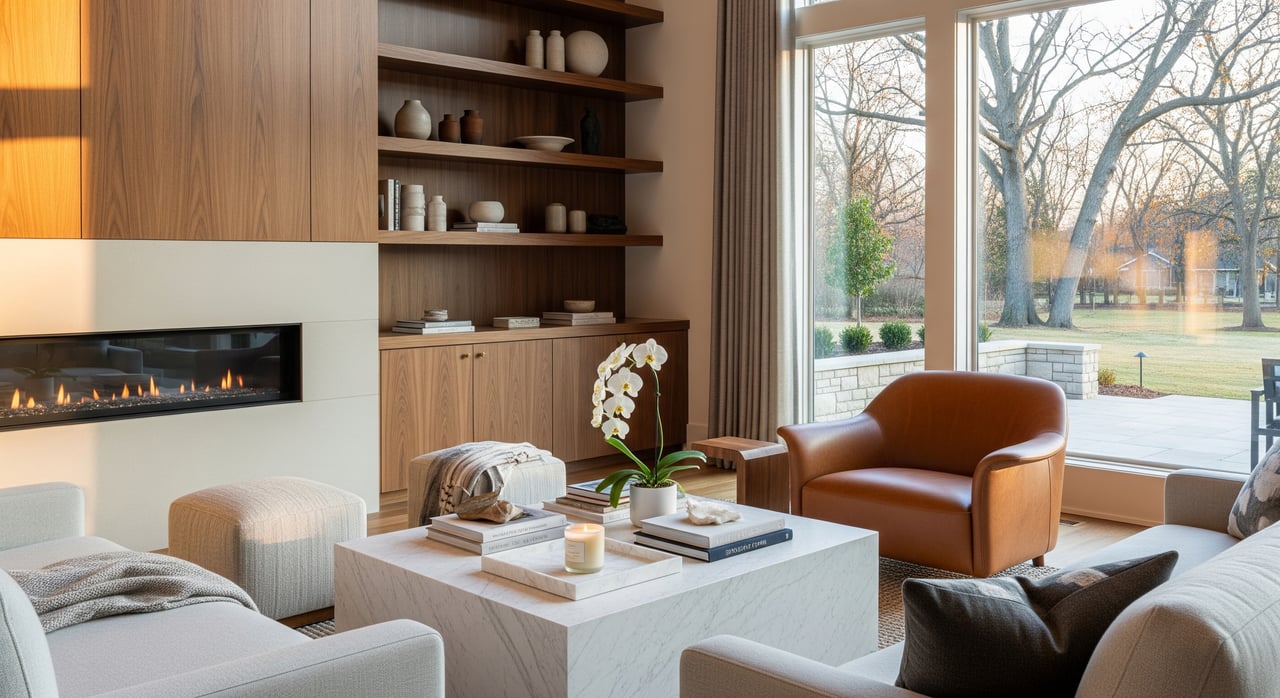
Thinking about listing your Carmel luxury home in the next 3 to 12 months? You know first impressions matter, and luxury buyers expect a polished, turnkey experience from the moment they see your photos online. The right preparation and concierge-level staging can elevate your home’s presentation, reduce friction during showings, and help you reach the strongest pool of buyers. In this guide, you’ll learn how to prioritize improvements, how concierge staging works, and how to build a realistic timeline. Let’s dive in.
What Carmel luxury buyers expect
Luxury in Carmel typically describes the top tier of the local market. The specific price threshold shifts with inventory and demand, so you want an agent who tracks live MLS data and recent sales before you list. Buyer profiles often include busy professionals commuting around greater Indianapolis, downsizers seeking low-maintenance quality, and move-up families who value access to amenities, parks, and Carmel Clay Schools.
What they share is a preference for turnkey condition, premium finishes, and lifestyle features that feel effortless. Your goal is to present a cohesive, curated experience that feels move-in ready from the driveway to the outdoor living spaces.
The first 10 things buyers notice
Use this quick checklist to shape your plan:
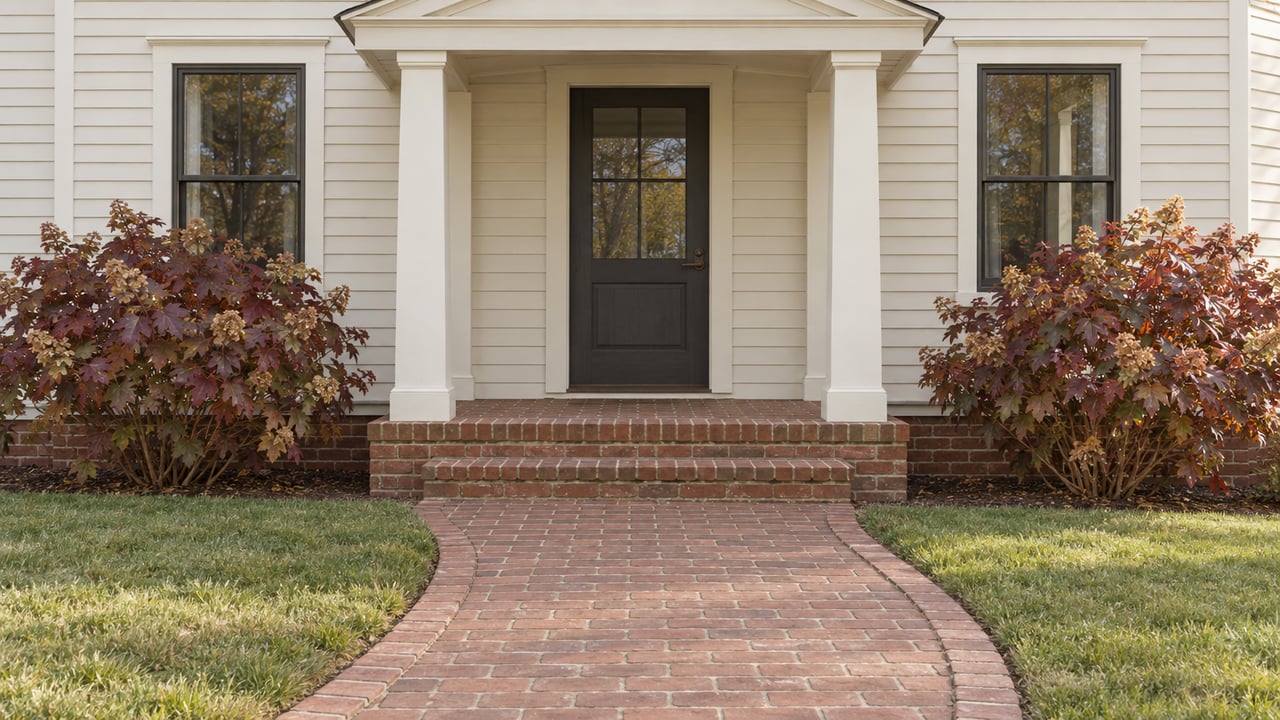
- Grand entry and front approach
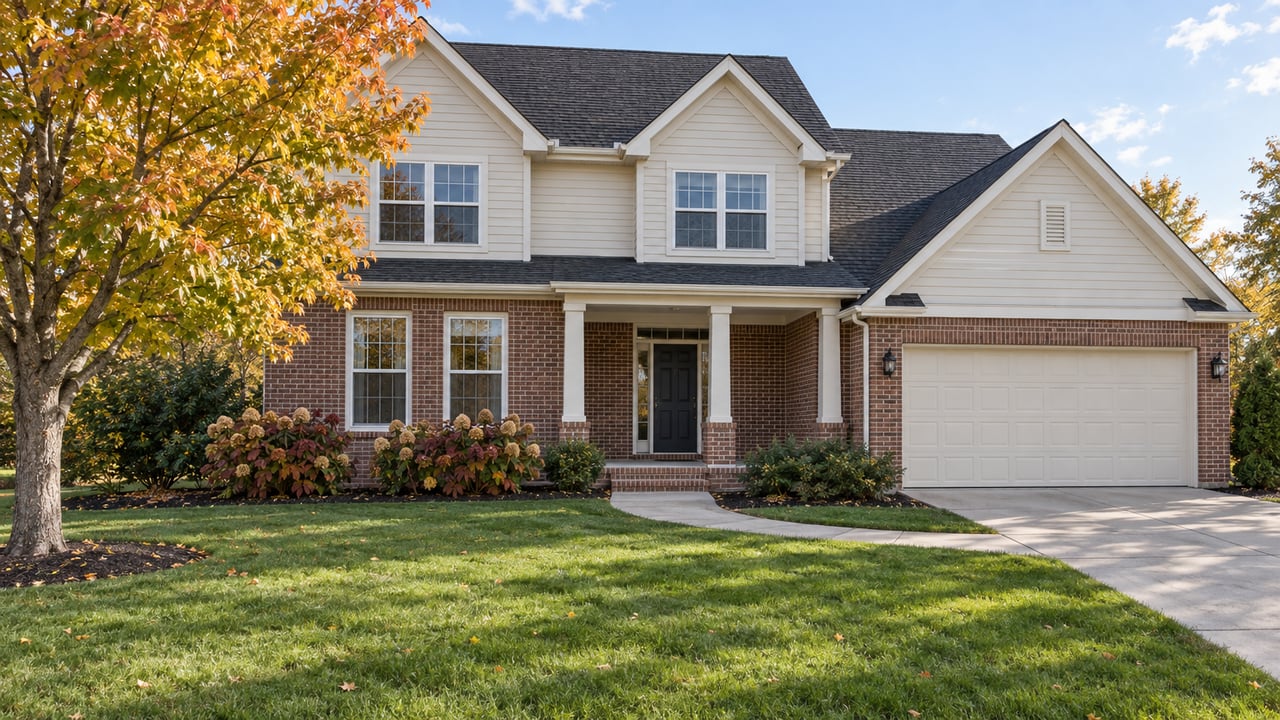
- Overall curb appeal and landscaping
- Kitchen island, countertops, and appliances
- Primary bath finishes and fixtures
- Closet systems and storage presentation
- Windows, natural light, and views
- Outdoor living areas and hardscapes
- Lighting design and fixture quality
- Floor condition and consistent paint palette
- Age and condition cues for major systems
Prioritize pre-list improvements
Start with a pre-list walkthrough with your agent and, if needed, a contractor or inspector. Separate your plan into must-do items, high-ROI cosmetic updates, and curb appeal.
- Safety and systems must-do: roof issues, electrical or plumbing concerns, HVAC service, leaks, moisture control, and any structural red flags. Clearing these early reduces deal friction and inspection renegotiations.
- High-ROI cosmetic and functional: refresh paint in a cohesive, neutral palette; refinish hardwoods; replace dated lighting and hardware; update the primary bath and kitchen surfaces where impact is clear. Focus on quality over quantity.
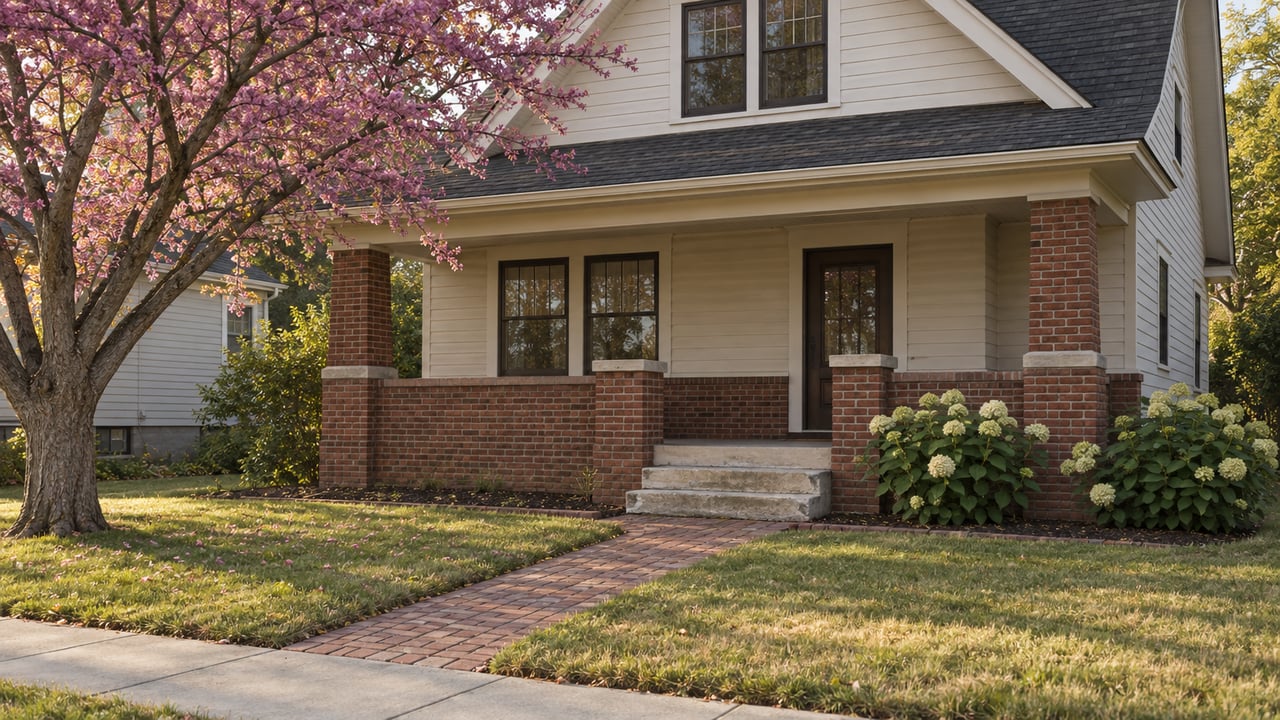
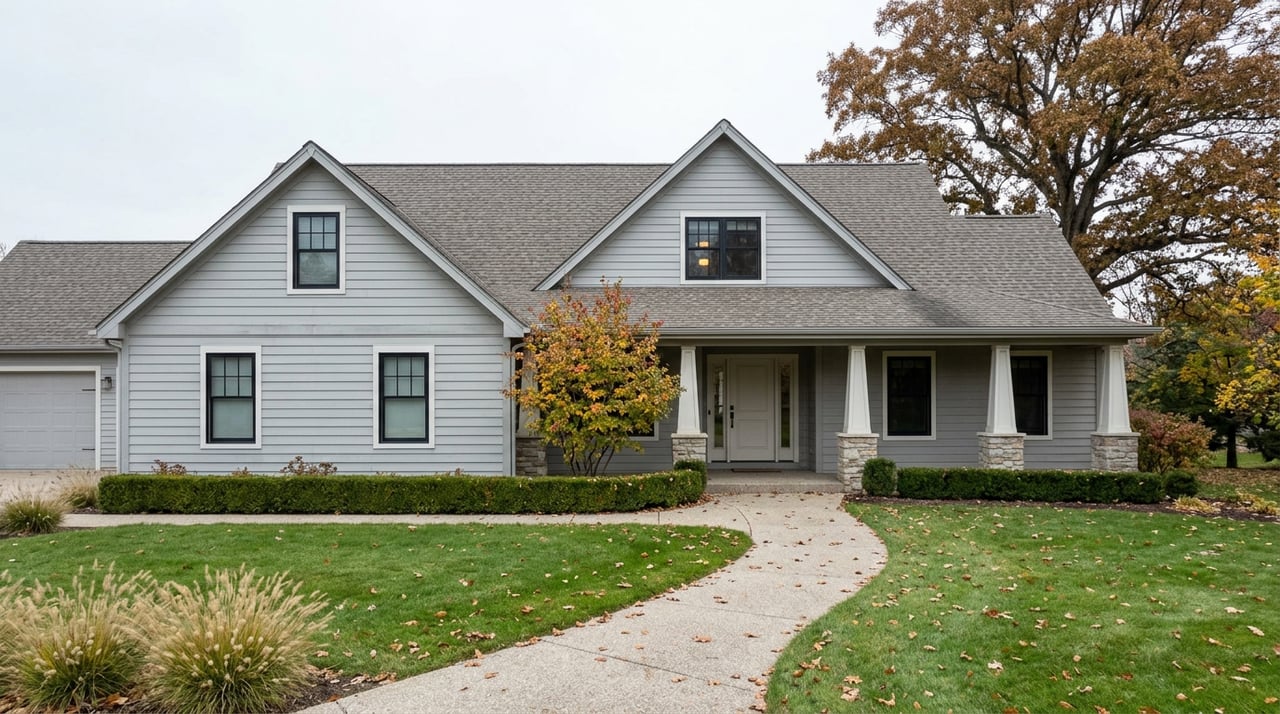
- Curb appeal and landscaping: repair driveways or walkways, refresh the front entry, trim and shape plantings, add seasonal color, and consider professional outdoor lighting.
- High-impact amenities: tune up outdoor kitchens, pools, fireplaces, and smart-home systems. Aim for a “like-new” feel rather than a patchwork of fixes.
Less can be more at the high end. A small number of well-executed upgrades typically outperforms a long list of low-budget changes.
Timelines that work
Every home and scope is different, but these are realistic ranges so you can plan with confidence:
- Pre-list inspection and scope: 1 to 2 weeks to assess priorities and secure estimates.
- Cosmetic work: 2 to 6 weeks for paint, lighting, minor carpentry, or refinishing, depending on contractor availability.
- Larger projects: 6 to 12 or more weeks for kitchen or bath work. Consider only if the budget and schedule fit your listing target.
- Staging and media: 1 to 3 days for installation, followed by professional photography, drone, floorplans, and 3D tours within days.
Build in buffer time for HOA approvals, permits when required, and product lead times. If you plan to list around peak spring activity, begin contractor outreach well in advance.
Concierge-level staging, explained
Concierge-style preparation allows you to complete strategic pre-list improvements and staging now and settle costs at closing, subject to program terms. With a program like Compass Concierge, the typical model covers upfront costs for approved services, and you repay from sale proceeds. Terms vary by property and scope, so you want clear documentation on budget, approved vendors, repayment timing, and any fees.
Typical concierge-delivered services include:
- Professional staging for key rooms or full-home staging
- High-end photography, twilight sets, drone, floorplans, and 3D tours
- Minor repairs, paint, lighting, and hardware updates
- Deep cleaning, window washing, exterior power washing
- Landscaping refresh and curb cleanup
- Professional organizing and decluttering
- Project coordination, scheduling, and vendor management
With luxury properties, staging often means scaled furnishings that fit large rooms, quality textiles, art curation, and emphasis on sightlines and proportion. The result is a lifestyle-forward presentation that feels intentional in every space.
Vendor selection made easy
To protect your investment and timeline, vet partners carefully:
- Review portfolios with completed luxury projects in similar-size homes
- Ask for references and before-and-after examples
- Get itemized proposals including setup, monthly rental, install and removal, and insurance
- Confirm insurance coverage for furnishings and on-site work
- Clarify invoicing and repayment mechanics for any concierge-funded services
How luxury staging works
The right staging does more than fill rooms with furniture. It guides attention and highlights value.
- Proportion and scale: choose pieces sized for great rooms, two-story spaces, and generous bedrooms so they feel balanced.
- Materials and textures: prioritize real, tactile materials, layered textiles, and elevated finishes. Avoid obvious budget décor.
- Warm neutrals: keep palettes calm and cohesive so buyers can picture their own style.
- Focal points: spotlight the kitchen, great room, primary suite, grand entry, and key outdoor living spaces.
- Flow and sightlines: stage to emphasize circulation, views, and architectural details like windows, beams, and fireplaces.
- Lifestyle cues: think spa towels in the primary bath, an inviting outdoor dining setup, and a well-edited coffee station in the kitchen. Keep accessories tasteful and restrained.
Photography and digital presentation
In the luxury tier, visual media is non-negotiable. Schedule professional architectural photography with both daylight and twilight sets to capture exterior ambiance and lighting. Use drone imagery for acreage, water features, or to show proximity to parks and cultural districts. Include floorplans and a 3D tour so out-of-area buyers can evaluate layout and flow with confidence.
If a space must remain vacant, consider high-resolution virtual staging as a short-term solution. Follow local MLS rules and clearly disclose what has been virtually staged.
Distribution and showing strategy
Targeted exposure matters as much as the media you create. Broker previews can surface qualified buyers early and generate informed feedback on presentation and pricing. For public opens, opt for controlled, high-quality events and coordinate security protocols if needed.
Your digital strategy should reach local and regional buyer pools and relocation networks that focus on the greater Indianapolis area. Combine polished media, precise copy that highlights materials and amenities, and prompt follow-up to convert interest into showings.
Costs, return, and expectations
In the luxury segment, presentation often affects days on market and perceived value. Staging, high-quality media, and curated upgrades widen your buyer pool and can improve offer quality. Pricing and market conditions still set the ceiling, so treat staging as a way to reduce friction and position your home within the competitive set.
Before work begins, ask your agent to build a simple model that compares costs to potential upside and timeline benefits. Focus on a few strategic improvements that materially change buyer perception, not a long list of minor tweaks.
Legal and logistics to cover early
- Financing terms: understand when concierge funds are due, whether repayment is tied to closing, and if any fees apply. Confirm any liens or security interests in writing.
- Contracts and insurance: document scope, installation timing, who holds title to rented items, and liability coverage during staging and removal.
- Permits and disclosures: pull permits for work that requires them and close them out. Disclose known defects and recent repairs per Indiana requirements.
- Taxes and basis: some improvements may qualify as capital improvements that affect tax basis. Consult a CPA for guidance on your specific situation.
- Storage and security: remove valuables, arrange secure storage for personal items, and set a plan for pets during showings.
If you need to list in under 30 days
You can still make meaningful progress with a compressed plan. Focus on what shows up in photos and at first glance.
- Declutter, deep clean, window wash, and pressure wash exterior surfaces
- Paint high-visibility areas and replace dated or dark light fixtures
- Prioritize curb appeal and front entry updates
- Partially stage the great room, kitchen, primary suite, and one outdoor living space
- Book professional photography, drone, and a 3D tour
A simple 3–12 month roadmap
- Months 3–6: define target price and buyer profile, order a pre-list inspection, choose concierge or other financing, and schedule contractors. Plan your staging concept and reserve dates.
- Months 1–2: complete cosmetic updates, deep clean inside and out, and finalize landscaping. Confirm staging installation and media dates.
- Listing week: install staging, shoot photos and tours, activate MLS, and host a broker preview. Gather feedback and fine-tune messaging or staging details as needed.
Ready to elevate your Carmel listing?
Concierge-level staging and thoughtful preparation can change how buyers experience your home online and in person. When you work with a senior-led team that manages the details and brings trusted vendors to the table, you protect your timeline and your outcome. If you are planning to sell in Carmel or nearby Hamilton County communities, we can tailor a plan to your home, your schedule, and your goals. Connect with The Dakich Team to start your confidential pre-list strategy.
FAQs
What is concierge-level staging for a Carmel luxury home?
- It is a coordinated program that funds and manages pre-list improvements and staging now, with repayment at closing per agreed terms. Services often include staging, media, cosmetic updates, cleaning, and landscaping.
How long does luxury listing prep usually take in Carmel?
- Minor cosmetic updates and staging can often be completed in 2 to 6 weeks, while larger kitchen or bath projects may take 6 to 12 or more weeks. Build in time for permits, HOA approvals, and scheduling.
Do I need to stage if my home is occupied?
- Yes, in most cases partial staging adds value. A stager can refine furniture layout, bring in scaled pieces, edit accessories, and create a cohesive palette that photographs and shows well.
Which rooms deliver the most impact when staged?
- Prioritize the great room, kitchen, primary suite, and the entry. Also stage at least one outdoor living area to demonstrate how the property lives beyond the walls.
How do you choose stagers and photographers for luxury homes?
- Look for portfolios with similar-size projects, strong before-and-after examples, and clear proposals with insurance. Your agent should provide vetted options and coordinate timelines.
Will pre-list improvements affect my taxes when I sell?
- Some projects may qualify as capital improvements that affect tax basis, while routine maintenance generally does not. Discuss your plan with a CPA for advice based on your specific situation.
Can I successfully list a Carmel luxury home in winter?
- Yes. High-end buyers transact year-round. Emphasize warm interior lighting, maintenance of walkways and landscaping, and strong media to capture attention regardless of season.