Wondering when to list your Carmel home so you get the best price and a smooth sale? Timing shapes everything from buyer traffic to days on market. If you plan ahead, you can align your listing with peak demand and the right staging conditions for your property. In this guide, you’ll learn how seasonality in Carmel works, which months tend to favor sellers, and an exact prep timeline to be market-ready. Let’s dive in.
Carmel seasonality at a glance
Carmel follows a predictable annual cycle. Buyer activity typically builds in late March and peaks through May and June. Summer remains strong early, then can cool as vacations pick up. Fall brings steady, motivated shoppers. Winter sees the lowest overall volume, though active buyers tend to be serious.
These patterns reflect weather, the school calendar, and how inventory ebbs and flows. You can list successfully in any season, but your strategy should match the calendar.
Spring: Capture peak demand
What to expect
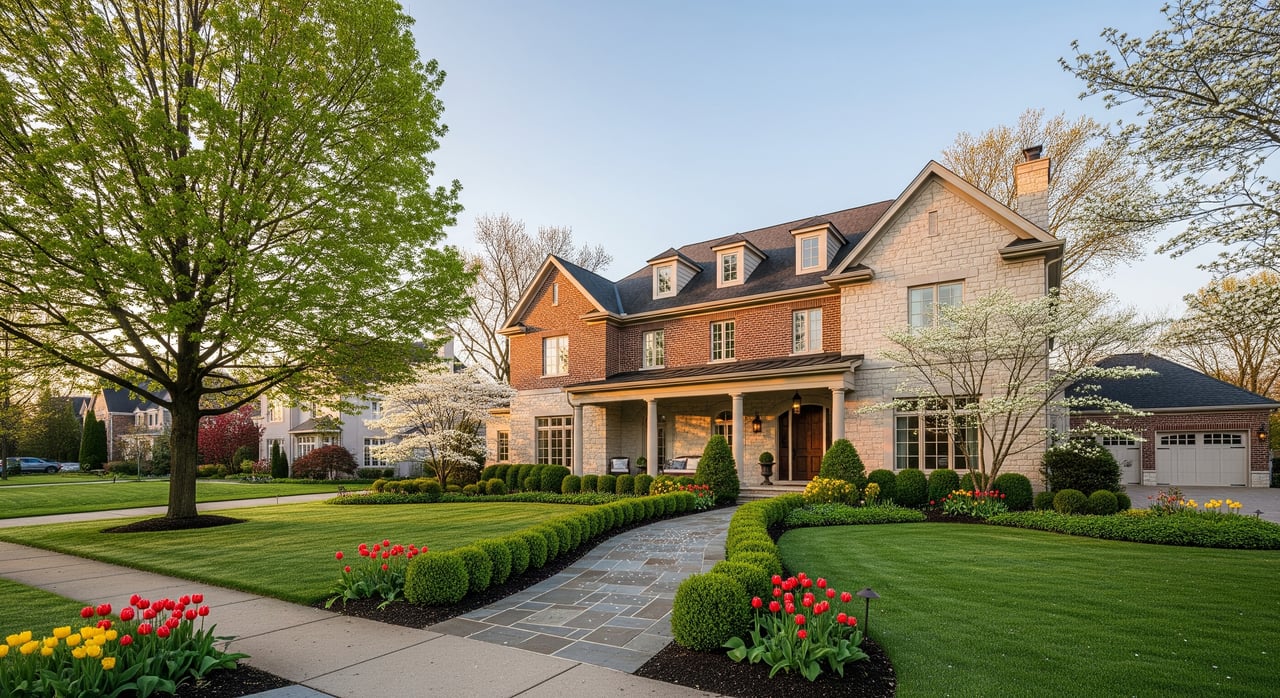
Spring, roughly late March through June, usually brings the highest buyer interest. Many shoppers start early to close in summer. Inventory also rises, so your home will have company. The good news is that spring curb appeal and longer daylight help your listing shine.
How to win
- Price confidently but competitively based on current Carmel comparables and absorption rates.
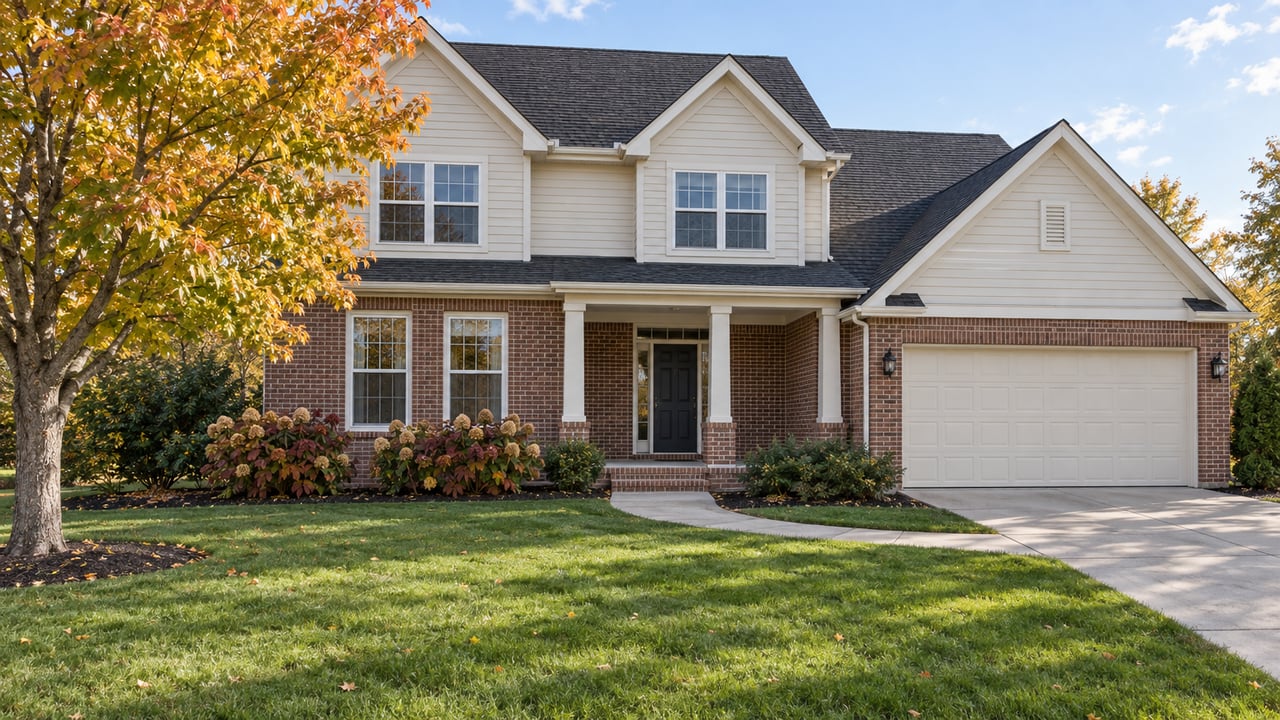
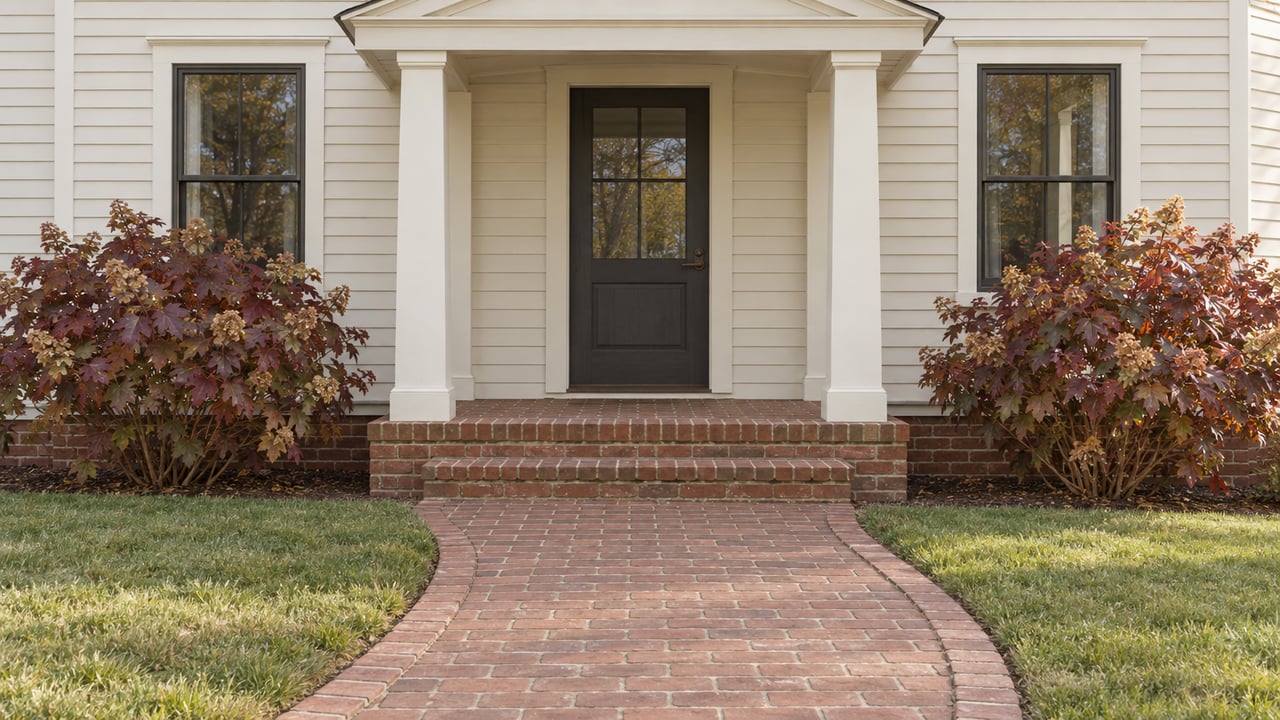
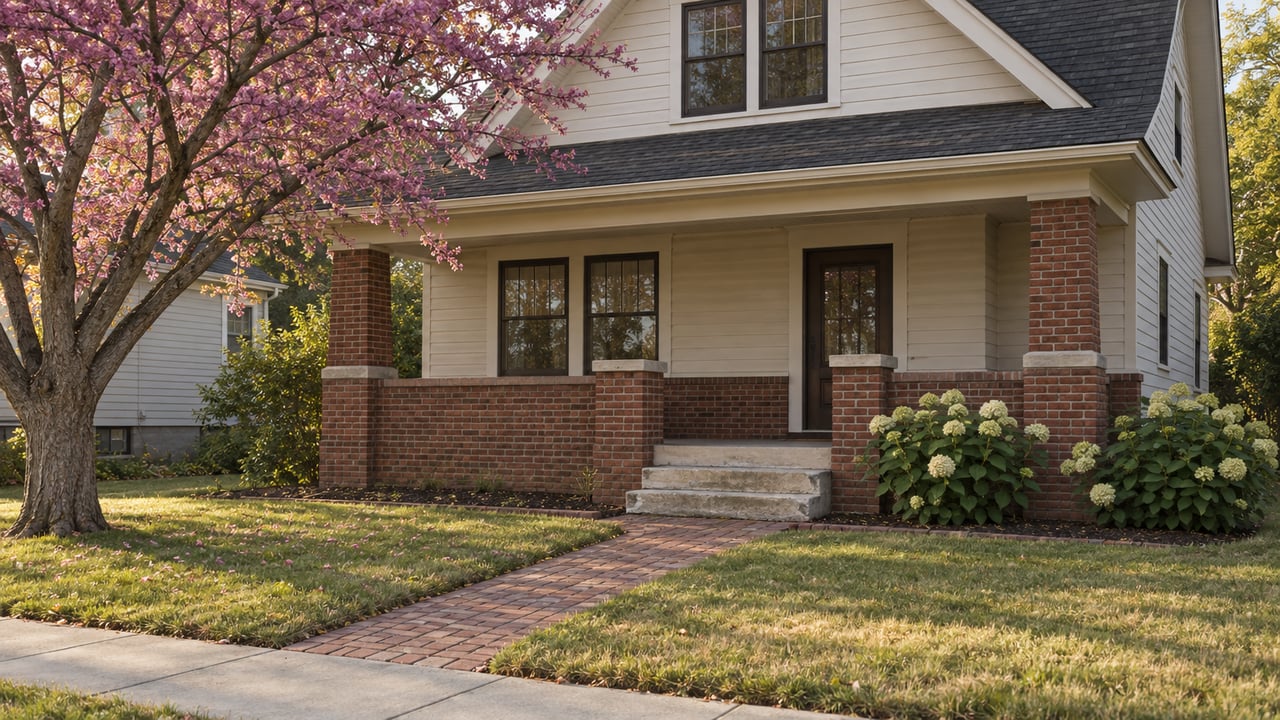
- Invest in curb appeal, landscaping, and exterior refreshes.
- Use professional photography, including twilight images and a virtual tour to reach out-of-town buyers.
- Prepare early so you can hit the market in late March, April, or May.
Is spring right for you?
If maximum exposure is your goal, spring usually offers the best shot. Sellers who can complete prep work in advance often see faster activity and strong offers.
Summer: Strong but selective
What to expect
Early summer stays near spring’s price levels, but activity can taper by midsummer as buyers travel. Many closings happen in July and August for homes listed in spring. Inventory can remain elevated, and shoppers may be more selective.
How to win
- Highlight outdoor spaces, pools, patios, and shade solutions for showings.
- Keep the home cool and comfortable during open houses.
- If activity slows, tighten your pricing or incentives rather than waiting for the fall reset.
Fall: Balanced opportunities
What to expect
Buyer demand moderates in September and October, and competition often dips as some sellers exit after summer. Serious buyers stay active, and well-prepared homes can secure fair prices with reasonable timelines.
How to win
- Emphasize warm, welcoming interior staging with updated lighting.
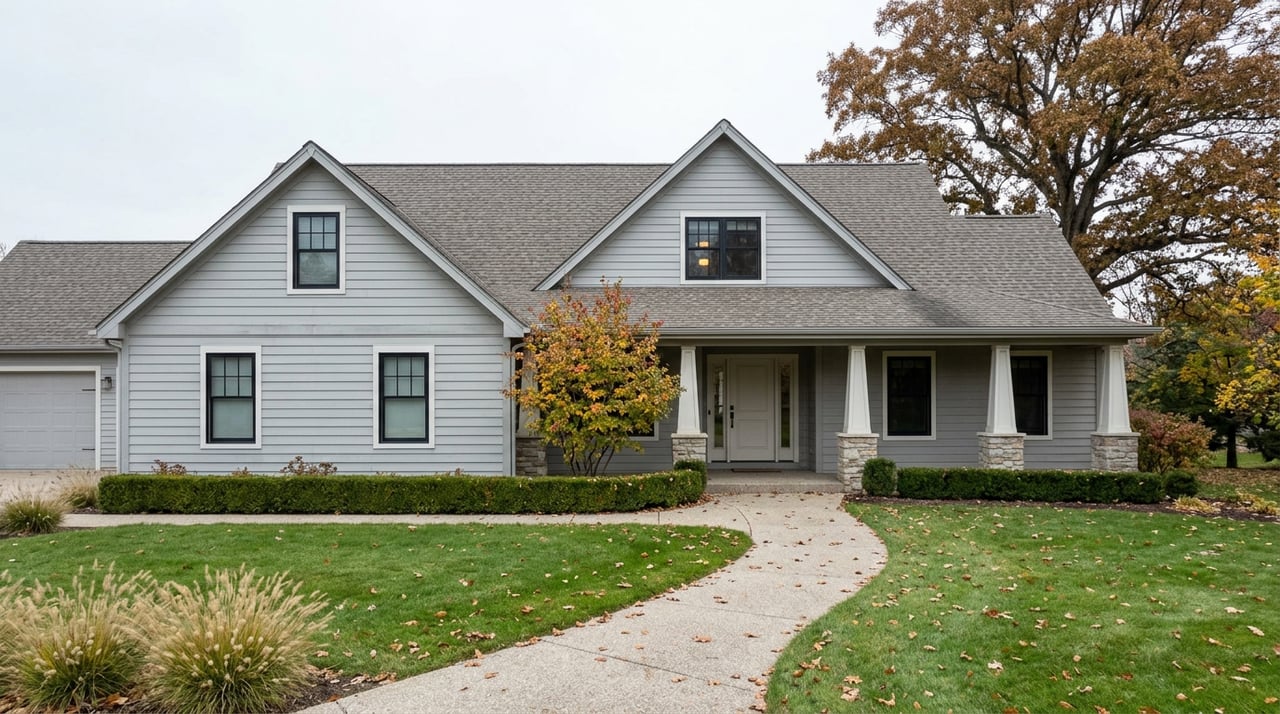
- Leverage clean landscaping and seasonal color for curb appeal.
- Price to the market, not to spring peaks, to keep days on market in check.
Winter: Less volume, serious buyers
What to expect
From November through February, showings slow due to holidays and weather. That said, buyers who are active are often motivated by relocation or timing needs. With less competing inventory, a well-presented listing can still stand out.
How to win
- Maintain clear, safe walkways and strong interior lighting.
- Focus marketing on interior features and move-in readiness.
- Price conservatively relative to current conditions to capture the available buyer pool.
Target windows for Carmel sellers
- Primary window: List in late March through May to target peak interest and aim for a June or July closing.
- Secondary window: If spring is not feasible, late August through October can work well with fewer competing listings.
- Off-season window: November through February can succeed with sharper pricing and standout presentation.
Pricing strategy that fits the season
Your pricing should reflect real-time Carmel data. Compare days on market, sale-to-list price ratios, and months of inventory for your price segment. In spring, you can often lead with a strong price if competition and absorption support it. In winter, consider a more conservative list price to draw limited buyers quickly.
A data-led approach beats national averages. Ask for a 12-month snapshot of Carmel trends and use it to set price and expectations for time to contract.
Marketing and staging by season
Spring focus
- Fresh mulch, trimmed shrubs, repaired walkways, and touch-up paint.
- Professional exterior photography and twilight photos.
- Virtual tour to reach relocating buyers.
Summer focus
- Showcase outdoor living with staged seating, umbrellas, and lighting.
- Feature HVAC performance and energy-efficient upgrades.
- Schedule showings during cooler hours when possible.
Fall focus
- Warm interior accents, updated bulbs, and clean windows to maximize natural light.
- Seasonal planters and tidy leaf management.
- Cozy lifestyle photography that still shows space and finishes clearly.
Winter focus
- Clear driveways and entries, de-ice steps, and use quality floor mats.
- Layer lighting with lamps and daylight bulbs.
- Include inviting, neutral decor that photographs well even on gray days.
8–12 week pre-list timeline
Starting 8 to 12 weeks before your target date helps you avoid rush decisions and contractor delays.
12 weeks before listing
- Meet with a local expert to review a comparative market analysis and timing plan.
- Order a pre-list inspection to uncover repairs early.
- Gather estimates and decide which projects to complete versus credit at closing.
8–10 weeks before listing
- Complete major repairs like roof, HVAC, or safety items.
- Declutter and depersonalize, then outline your staging plan.
- Start minor cosmetic upgrades like paint, hardware, and flooring touch-ups.
6–8 weeks before listing
- Tackle exterior projects, spring lawn prep, and plantings.
- Deep clean interior spaces, update lighting, and adjust window treatments.
- Schedule staging and furniture placement if needed.
4 weeks before listing
- Finalize staging and professional cleaning.
- Pre-schedule photography, video, and virtual tour for clear-weather days.
- Prepare floor plans and marketing materials.
2 weeks before listing
- Walk through to ensure photography-ready condition.
- If allowed by local rules, pre-market as coming soon to build interest.
- Confirm showing windows, access details, and open house plans.
Listing week
- Go live with accurate measurements, polished copy, and neighborhood context.
- Host a well-timed open house and gather early feedback.
- Be prepared to adjust within 2 to 3 weeks if traction is limited.
Post-offer through closing
- Lock in movers and closing logistics, especially for summer closings.
- If you are buying and selling, coordinate timelines to avoid a double move.
Local factors to watch in Carmel
- Buyer timing: Many buyers align moves with summer breaks, so spring listings often benefit from stronger traffic and a summer closing.
- New construction: Active new builds in Carmel and nearby areas can shape pricing and buyer perception. Track nearby new-home inventory when setting your strategy.
- Price point dynamics: Entry and mid-range segments feel seasonality more. Luxury homes may require longer marketing horizons and tailored outreach.
- Property type: Tree-lined lots pop in late spring and early fall. Homes with pools, patios, and outdoor kitchens show best from late spring into summer.
- Community calendars: Coordinate showings and open houses around local events to maximize accessibility.
- Weather: Plan for snow and ice in winter and rain in early spring. Keep exterior photos current and pathways safe.
Metrics to review before you list
Ask your agent for a 12 to 24 month snapshot and study:
- Active and new listings by month, plus trend lines.
- Median sale price by month and by price tier.
- Median days on market by month and by price tier.
- Sale-to-list price ratios by month.
- Months of inventory and absorption rates.
- Pending versus closed sales counts by month.
- New-construction activity near your neighborhood.
Using these numbers, you can set a list price, estimate time to offer, and choose a launch date that matches your goals.
How The Dakich Team helps you time it right
You get senior-led, boutique guidance paired with modern tools. From pricing and timing to Compass Concierge pre-list improvements, our team streamlines prep and elevates your presentation. We provide premium photography, video, and digital marketing so your home shines in any season.
We also bring neighborhood-level insight across Carmel and Hamilton County, including how new construction and micro-seasonality can affect your outcome. If you are considering a spring or summer sale, now is the time to plan your upgrades, staging, and go-to-market date.
Ready to map the best listing window for your home? Connect with The Dakich Team for a complimentary strategy session and valuation.
FAQs
When will my Carmel home sell for the highest price?
- Late spring and early summer typically bring the most buyer activity, which can support stronger pricing, though current local supply and demand should guide your final strategy.
Is it worth waiting until spring to list in Carmel?
- If your goal is maximum exposure and you can wait, late March through May is usually best; if timing is tight, a well-prepared fall or winter listing can still succeed with the right pricing and marketing.
How long does pre-list preparation usually take in Carmel?
- Plan for 6 to 12 weeks for cosmetic projects and staging, and more time if major repairs or permits are needed.
How does the school calendar affect Carmel home sales?
- Many buyers plan moves to align with summer breaks, so a spring listing can increase the chance of closing before the next school year.
Can I sell successfully in winter in Carmel?
- Yes; while buyer volume is lower, motivated shoppers remain active, and with strong presentation, safe access, and market-aware pricing, you can capture serious demand.
What if I am selling a higher-end home in Carmel?
- Luxury segments may be less tied to the calendar and can require longer lead times, custom marketing, and precise pricing relative to new construction and comparable estates.