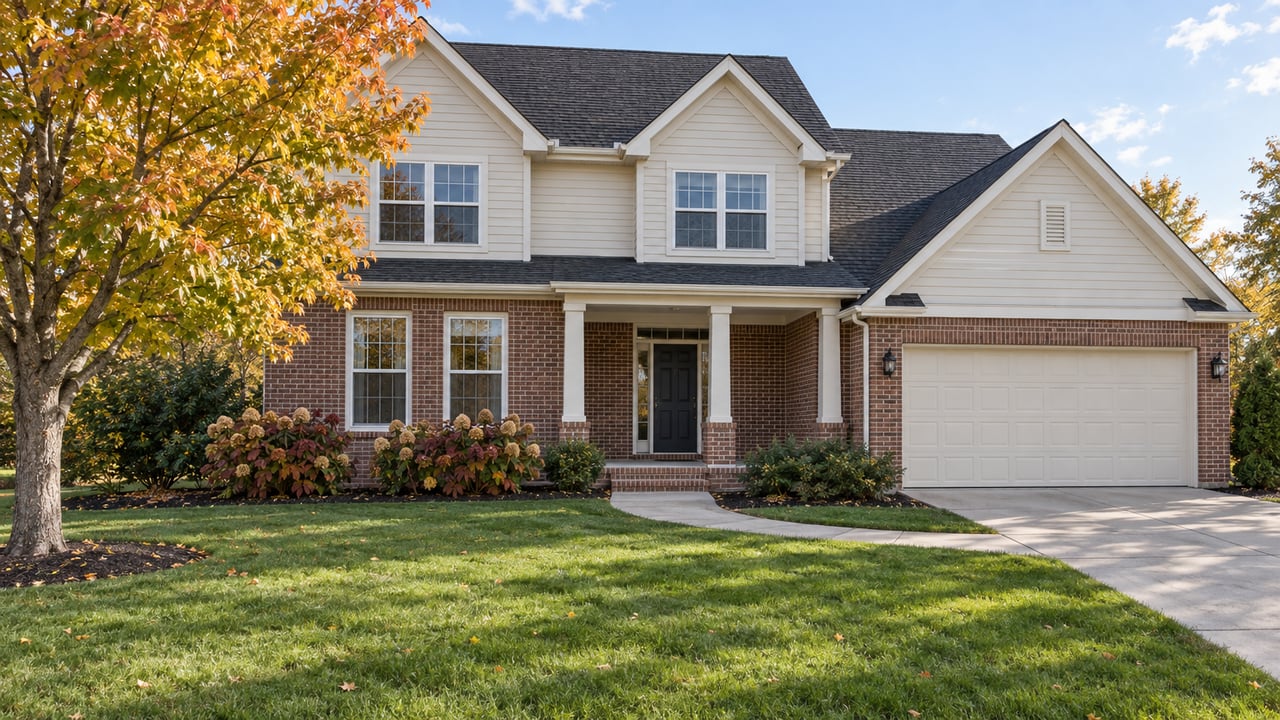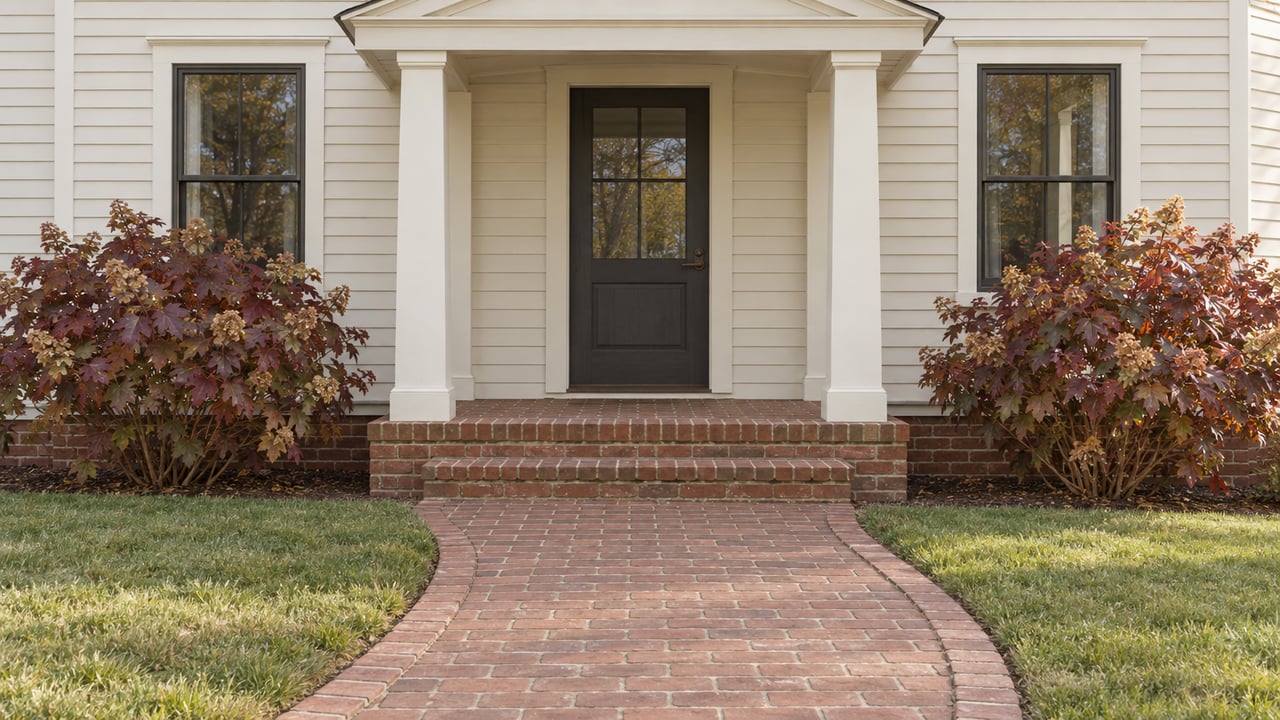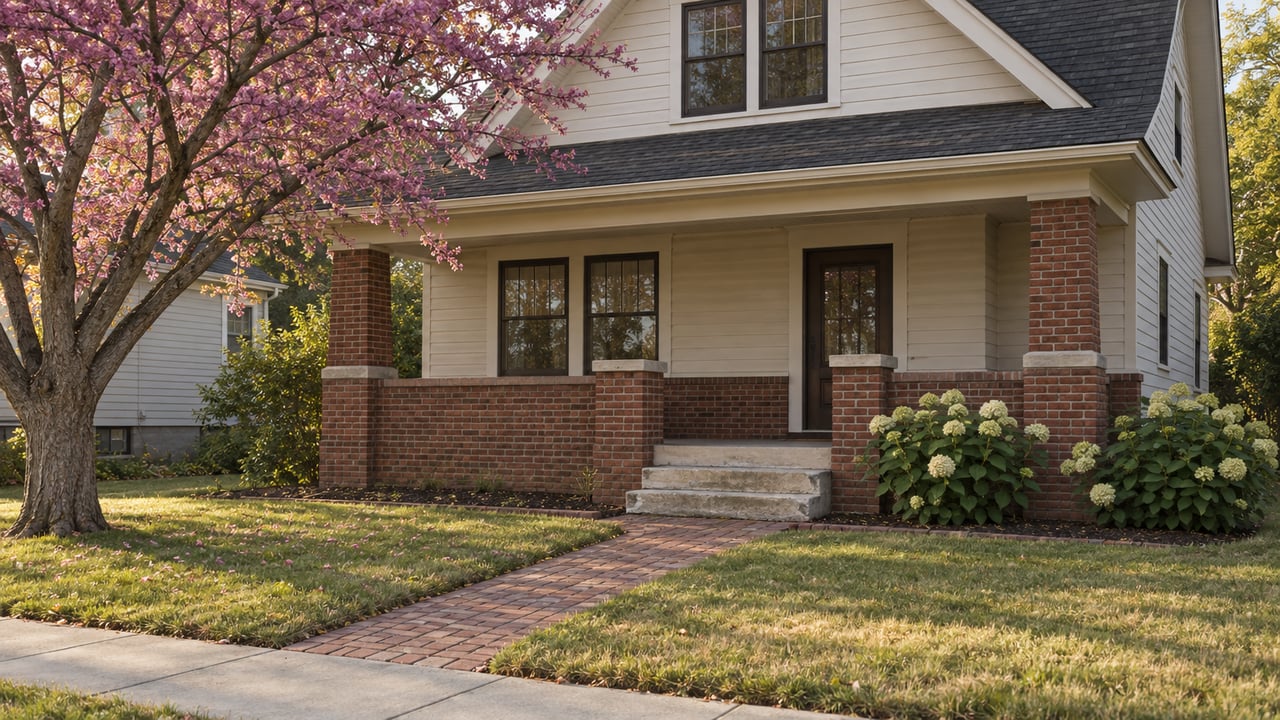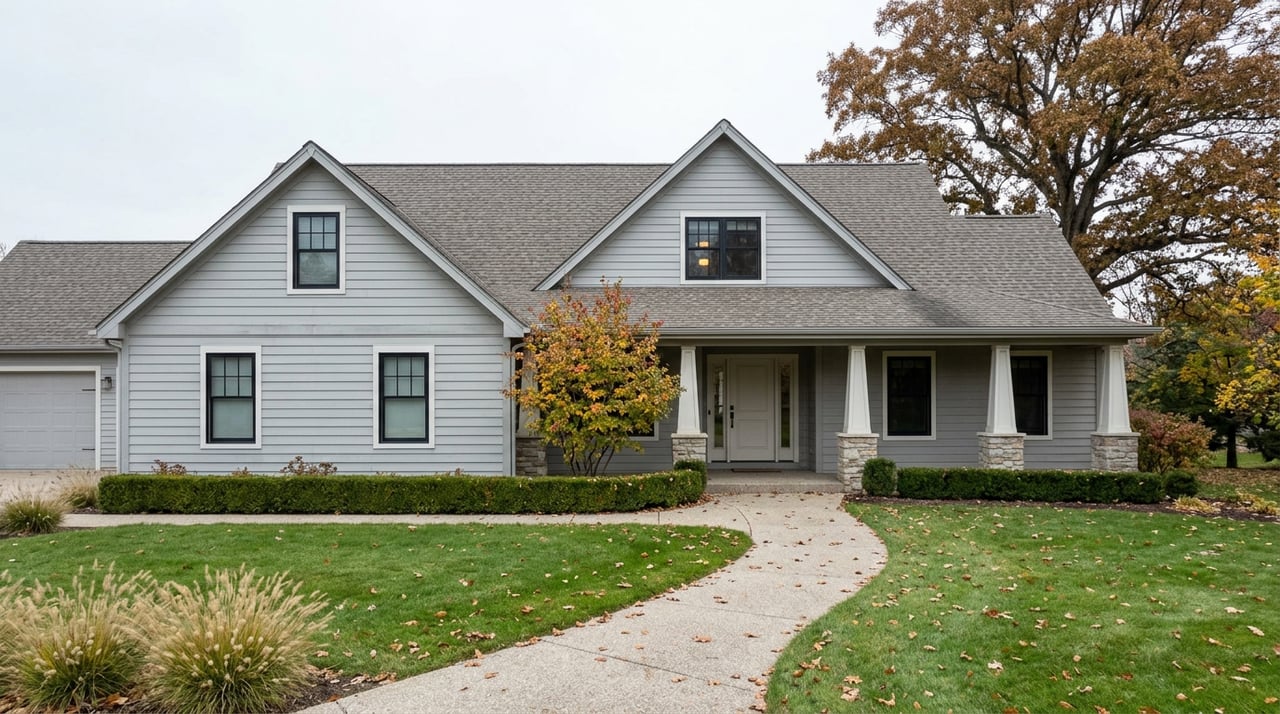
Thinking about living in the heart of Indianapolis but not sure if a condo or a townhome fits your life best? You’re not alone. Downtown offers everything from high-rise condos to historic rowhouses, and each option delivers a different day-to-day experience. In this guide, you’ll compare ownership costs, HOAs, parking, privacy, and maintenance so you can choose with confidence. Let’s dive in.
Condo vs. townhome at a glance
| Factor | Condo | Townhome |
|---|---|---|
| Ownership & Fees | Typically a unit in a multi-story building with a monthly HOA. Fees vary by amenities and reserves. | Fee-simple or in an HOA. Fees may be lower if the HOA covers less exterior work. |
| Maintenance | Exterior, common areas, and building systems handled by the association. | Varies. Fee-simple owners often handle roof, siding, and landscaping unless covered by the HOA. |
| Insurance | HO-6 policy for interiors and personal property. Building master policy covers common elements per CC&Rs. | Homeowner policy may need to cover the exterior and roof if not covered by HOA. |
| Financing | Condo loans may require project approval for FHA, VA, Fannie Mae, or Freddie Mac. | Often financed like single-family if fee simple, which can be simpler. |
| Parking | Assigned or leased garage spots common in larger buildings; guest rules vary. | Many have private garages or surface spaces; can increase purchase price. |
| Privacy & Layout | Single-level living with shared walls and corridors; higher floors can reduce street noise. | Direct street entry, vertical layouts, and more separation; stairs required. |
| Lifestyle Fit | Lock-and-leave, amenity-focused, transit and walkability priority. | House-like feel, private entry, small outdoor spaces, and garage convenience. |
What drives costs downtown
Purchase price drivers
In Downtown Indianapolis, value often reflects proximity to Monument Circle, skyline or canal views, new construction versus historic conversions, building amenities, parking access, and recent renovations. Townhomes can command a premium where private entries, garages, or small yards are scarce. Condos sometimes price lower per unit but may carry higher monthly fees, especially in amenity-rich buildings.
Monthly costs, taxes, and utilities
Condo fees typically fund building systems, exterior upkeep, common-area utilities, and reserves. Townhome fees vary widely, especially if the community offers amenities or if owners handle most maintenance. Marion County property taxes are based on assessed value and local rates, which vary by property. For exact figures on a specific home, review the latest county assessment and tax details during your due diligence.
Financing differences to expect
Condo loans can be more restrictive. Some lenders require building-level approval for FHA, VA, or conventional programs. Higher rental ratios, HOA delinquencies, or weak reserves can limit financing options. Fee-simple townhomes often finance like single-family homes, which can be more flexible. Ask your lender early about project approval and ensure your agent verifies financing eligibility before you write an offer.
HOA, insurance, and maintenance
What HOA fees usually cover
Condo and townhome associations rely on CC&Rs and bylaws to define responsibilities. Fees may cover building staffing, janitorial and landscaping, exterior and roof upkeep, elevator maintenance, garbage removal, property management, common-area insurance, security systems, and amenities such as a pool or gym. Interior systems and personal property are typically your responsibility unless your documents say otherwise.
Insurance 101 for condos and townhomes
If you buy a condo, you’ll likely carry an HO-6 policy for interiors, personal property, and liability. The building’s master policy may be all-in or bare-walls, so read it closely to see where coverage begins and ends. Townhome owners may need a policy that covers the structure and roof if the association does not. Always confirm responsibilities in the CC&Rs and insurance declarations.
Due diligence checklist
Before you commit, request and review:
- HOA budget, monthly fee, and reserve fund level
- Any reserve study and the last 12–24 months of meeting minutes
- Insurance declarations and details of master policy coverage
- Rules on rentals, pets, renovations, and architectural changes
- Delinquency rates, special assessments, and any pending litigation
- A resale certificate or full resale disclosure packet if provided by the association
Parking, privacy, and lifestyle
How parking works downtown
You’ll see a mix of assigned or covered garage parking in condo buildings, surface lots or detached garages for townhomes, and on-street metered parking in the core. Underground or structured parking often raises HOA costs because it requires ongoing maintenance. Townhomes with private garages add convenience but can increase the purchase price. If you rely on IndyGo or prefer walking and biking on the Indianapolis Cultural Trail, your parking needs may be lower.
Privacy and noise trade-offs
Condos offer controlled building access and security, with higher floors typically experiencing less street noise. You still share walls, ceilings, and corridors, so location near elevators or amenities can matter. Townhomes provide a private front door and more vertical separation from neighbors, plus small outdoor spaces in many communities. Street-level homes may pick up more frontage noise, and stairs are part of daily life.
Lock-and-leave or hands-on
If you want low exterior maintenance and value amenities, a condo can be a strong fit. If you want a more house-like experience and are comfortable with some exterior responsibilities, a townhome may be better. Townhomes in an HOA can reduce hands-on upkeep but shift costs into monthly fees.
Neighborhood snapshots
Monument Circle and Wholesale District
High-rise and mid-rise condo buildings dominate, often with structured parking and building amenities. You’ll be close to offices, dining, entertainment, and events.
Mass Ave and adjacent loft pockets
Historic or commercial conversions offer loft-style condos with character. On-site parking can be limited, so confirm whether spots are deeded, assigned, or leased nearby.
Fletcher Place and Lockerbie Square
You’ll find historic rowhouses and new townhomes with private entries and, in some cases, garages or small patios. These streets feel residential while keeping you close to downtown attractions.
Canal and White River area
Expect a mix of mid-rise condos and townhomes with quick access to trails and green space. It’s a good match if you prioritize recreation and outdoor connectivity.
Quick-fit questionnaire
Answer each, total your points, and see where you land.
- How important is a lock-and-leave lifestyle?
- Essential (3) • Helpful (2) • Not important (0)
- Do you need private, attached garage parking?
- Yes, required (3) • Preferable (1) • No (0)
- Do you want direct street entry and a house-like feel?
- Yes (3) • Maybe (1) • No (0)
- How much do building amenities matter?
- Very (3) • Somewhat (1) • Not at all (0)
- Is potential street noise a concern?
- Very concerned (3) • Somewhat (1) • Not concerned (0)
- Do you plan to rent the unit sometimes?
- Yes (3) • Maybe (1) • No (0)
- Are stairs and multi-level layouts acceptable?
- Yes (3) • Somewhat (1) • No (0)
- How important is private outdoor space?
- Very (3) • Somewhat (1) • Not important (0)
Interpretation:
- Higher points on lock-and-leave, amenities, and not needing a garage suggest a condo fit.
- Higher points on garage, street entry, private outdoor space, and comfort with stairs suggest a townhome fit.
- Mixed scores mean both can work. Focus on your must-haves: parking, HOA rules for rentals and pets, and financing eligibility.
What to ask your lender and agent
- Is the condo building approved or approvable for FHA, VA, or conventional loans?
- What are the HOA’s reserves, delinquency rate, and any known special assessments?
- How are exterior and roof responsibilities defined in the CC&Rs?
- Are there rental caps, pet restrictions, or renovation rules that affect your plans?
- How many parking spaces are included, and what are guest parking policies?
- What are typical utility costs and coverage for water, trash, or heating in common areas?
Next steps
If you want convenience, amenities, and low exterior maintenance, you might lean condo. If you prefer a private entrance, a garage, and a house-like feel, a townhome could be ideal. Either way, your best move is to compare specific buildings and communities side by side, review the HOA documents, and confirm financing early. For a tailored list of options and a clear plan from tour to close, reach out to The Dakich Team.
FAQs
In Downtown Indy, who pays for exterior repairs on condos vs. townhomes?
- In condos, the association typically covers exteriors and common systems. In townhomes it varies by community, so confirm responsibilities in the CC&Rs and budget.
Can I use FHA or VA financing for a downtown condo purchase?
- Possibly. The building must meet program approvals. Ask your lender early and have your agent verify the project’s eligibility before submitting an offer.
How do HOA fees influence resale value in Indianapolis?
- High fees without visible value or weak reserves can limit buyer interest. Transparent budgets, appropriate reserves, and well-maintained amenities can support resale.
Are pets allowed in downtown condos or townhomes?
- Rules vary widely. Review the association’s pet policies, including any breed, size, or number limits, before you make an offer.
What are special assessments and how can I spot them?
- Special assessments are one-time charges for capital projects or unexpected costs. Review meeting minutes, reserve studies, and budgets to spot risks.
How does parking typically work for downtown residents?
- Condos may include assigned or leased garage spaces, sometimes with guest rules. Townhomes often have private garages or surface spaces. On-street metered parking is common in the core.