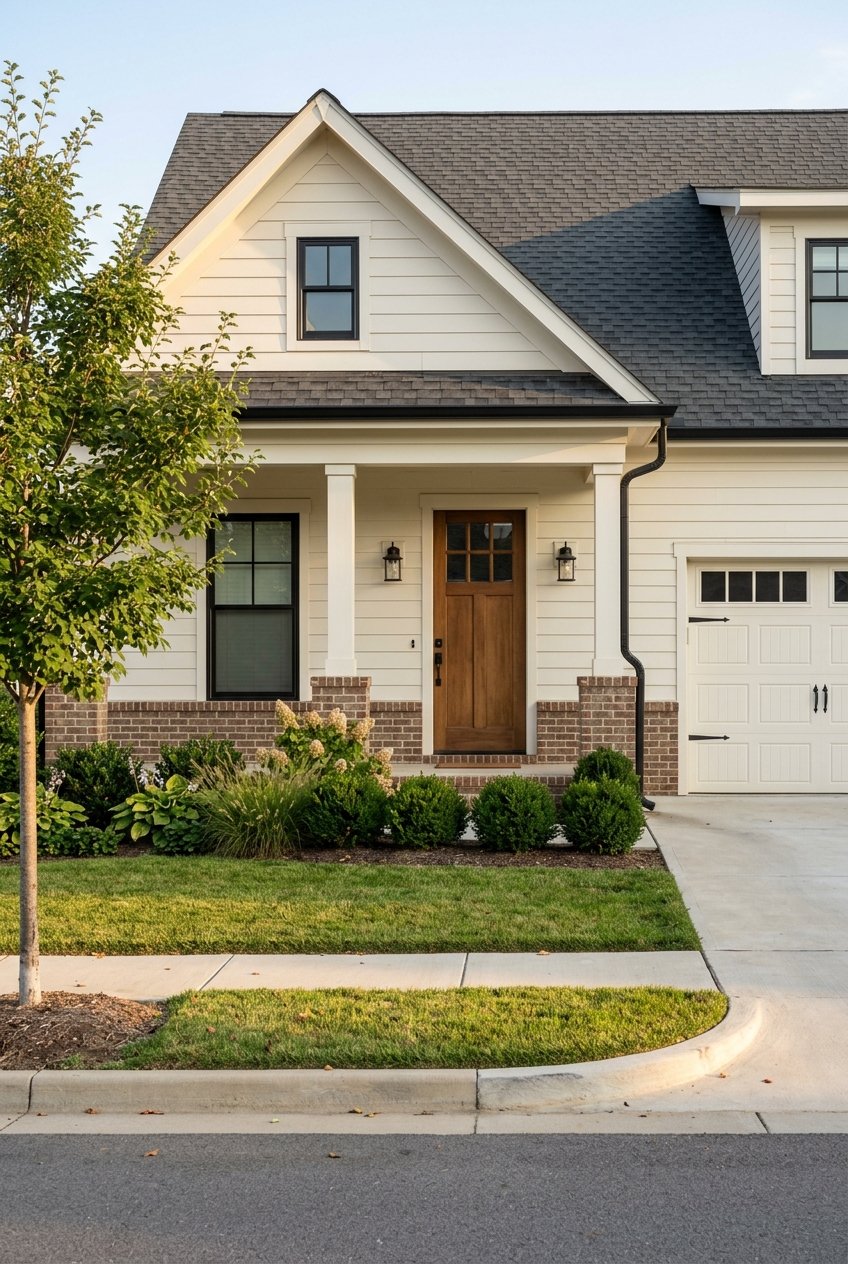
Wondering if you can downsize in Carmel without giving up the lifestyle you love? You are not alone. Many homeowners reach a point where less square footage, less yard work, and fewer household chores sound appealing, but moving away from familiar routines does not. The good news is that Carmel offers several ways to stay local while living lighter. From walkable mixed-use areas to HOA-managed communities, you have real options to explore. Let’s dive in.
Why Downsizing Works in Carmel
Downsizing is not only about moving into a smaller home. It is also about choosing how you want to spend your time. In Carmel, that can mean trading extra rooms and ongoing maintenance for easier access to trails, parks, dining, and daily conveniences.
Carmel gives you a strong foundation for that shift. The city is in Hamilton County just north of Indianapolis and has more than 240 miles of trails and paths. The Monon Greenway runs through the heart of Carmel, and the city says it serves walkers, joggers, runners, bicyclists, rollerbladers, and nature enthusiasts.
That matters if you want your next home to support an active local routine. Carmel is also recognized as a Silver Level Bicycle Friendly City, and the city notes that many streets and new developments incorporate bike paths and trails. If your goal is to simplify your home without shrinking your lifestyle, Carmel is a practical place to do it.
What Living Lighter Really Means
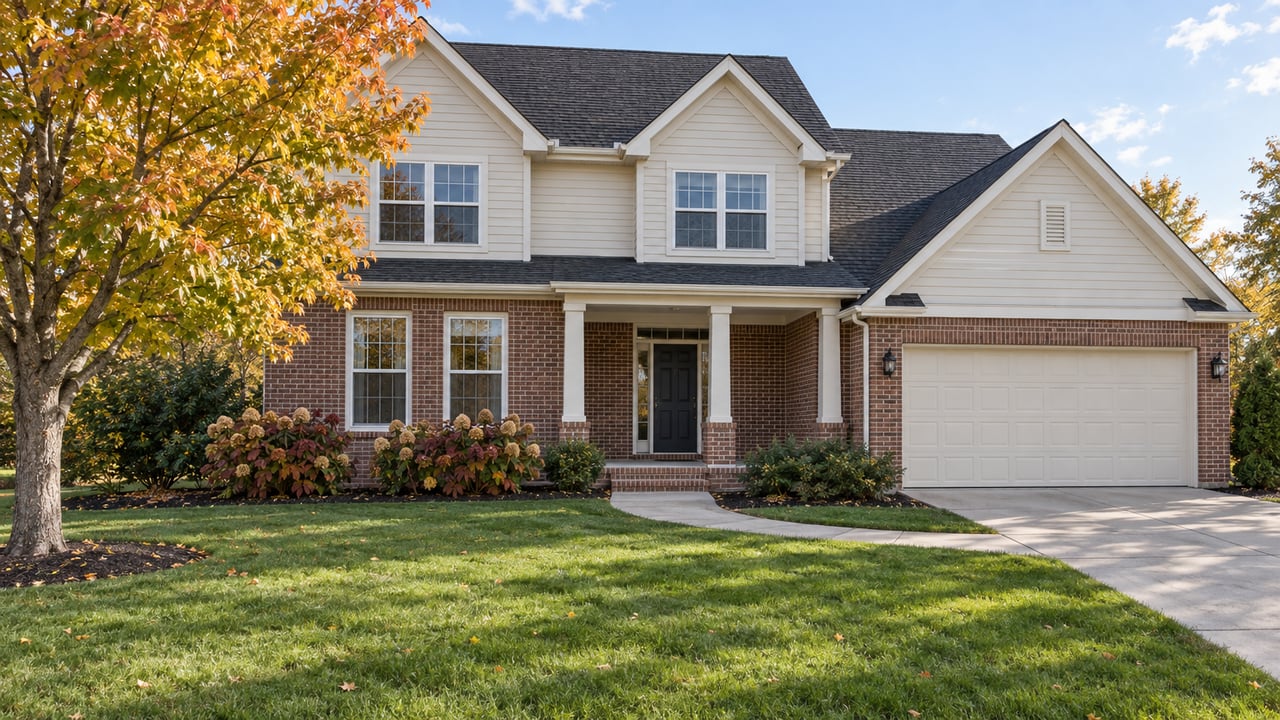
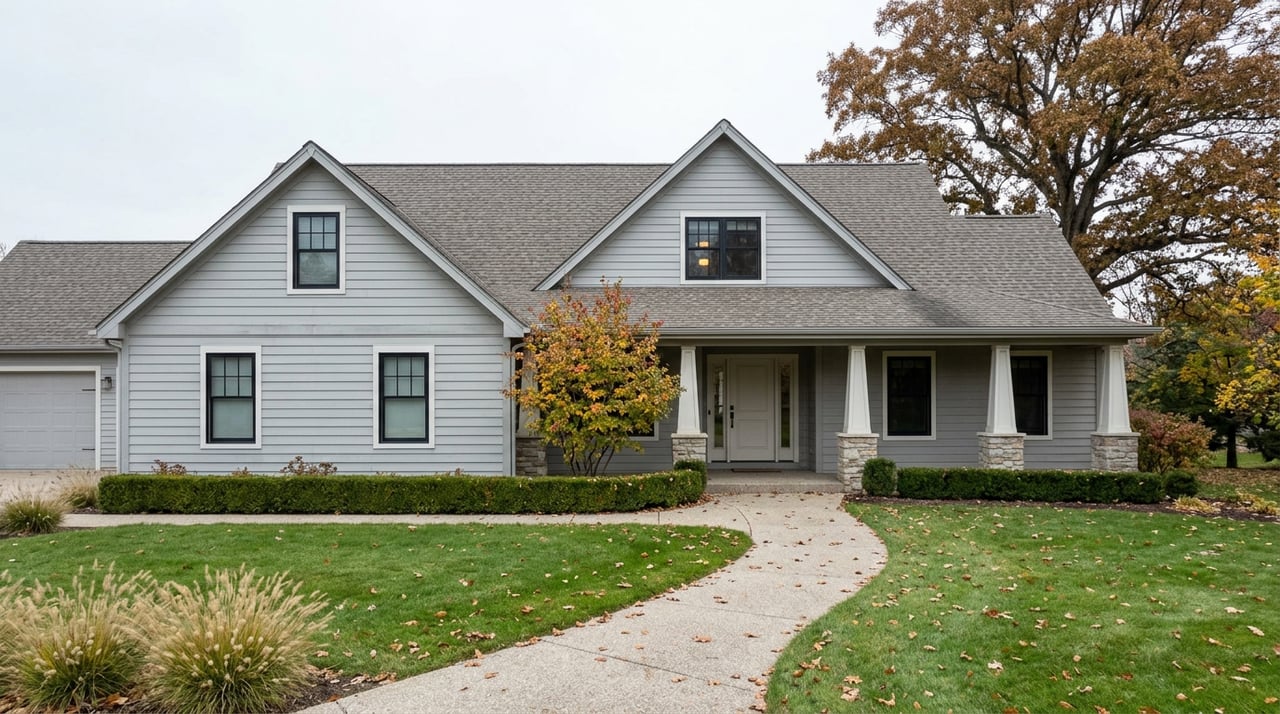
A smaller home does not automatically create an easier life. The best downsizing move usually comes from matching your home type to your day-to-day needs. That could mean a condo near restaurants, a townhome with less exterior upkeep, or a detached home on a smaller lot.
For some homeowners, living lighter means true lock-and-leave convenience for travel. For others, it means staying connected to a neighborhood feel while reducing the demands of lawn care, snow removal, or exterior repairs. The right answer depends on what you want more of, and what you are ready to manage less.
Before you start touring homes, it helps to define your priorities clearly. Ask yourself:
- Do you want to walk to restaurants, events, or errands?
- Is a short drive fine if the home is a better fit?
- Would you prefer a condo, townhome, or detached home with a smaller lot?
- How important are shared amenities and community events?
- Do you need elevator access, main-level living, or an attached garage?
- Do you want a home that works well for frequent travel?
- Are you comfortable with higher HOA dues if they reduce upkeep?
Central Carmel Offers Walkability
If walkability is high on your list, Central Carmel is often the first place to study. This area includes the Arts & Design District, City Center, and Midtown, which together form one of the clearest clusters for lower-maintenance living in Carmel.
The city describes the Arts & Design District as home to more than 11 galleries, shops, boutiques, antique dealers, restaurants, and nightlife. It also notes that there are condos and apartments above commercial space and along the Monon Greenway. For a downsizer who wants dinner, coffee, events, or a walk on the trail close to home, this setting can be especially appealing.
City Center and Midtown add to that appeal with an urban-style format. City Center Phase I added 106 apartments and 12 for-sale condos. The Nash added 30 apartments above retail, and Old Town on the Monon added 91 market-rate apartments plus retail. Midtown is described by the city as an urban-style living and commerce connector between the Arts District and City Center.
Carmel's subdivision GIS layer also shows existing attached-home and condo options across this area, including Townhomes at City Center, Townhomes at Rangeline, Townhomes at Guilford, Carmel City Center Condominium, and The Retreat Condominiums. These examples show that lower-maintenance housing types are already part of the local inventory.
Who Central Carmel May Fit Best
Central Carmel can be a strong fit if you want to spend less time driving and more time enjoying what is nearby. It may also appeal to you if you like the idea of stepping out for dinner, community events, or a walk on the Monon without planning around a longer trip.
This area may be worth a closer look if your downsizing goals include:
- A more walkable routine
- Access to trail-connected living
- Less exterior maintenance
- A condo or attached-home lifestyle
- A more urban daily rhythm while staying in Carmel
Old Meridian and South Range Line Bring Newer Mixed-Use Options
If you like the idea of newer construction, structured parking, and a polished mixed-use setting, the Old Meridian and South Range Line corridor deserves attention. This part of Carmel includes Grand & Main, also called The District, and related residential development patterns that support lower-maintenance living.
Grand & Main includes 76 townhomes, 159 senior living units, a 305-unit apartment building, and a parking garage. The Proscenium includes a 22-unit for-sale condo building, and Proscenium III continues the corridor with 120 multi-family units plus 30 to 40 age-targeted multi-family units.
Carmel's zoning legend also shows Old Meridian District categories for multi-family and single-family attached uses. That supports this corridor as one of Carmel's major zones for buyers seeking a home with less hands-on upkeep and a more connected location.
Why This Area Appeals to Downsizers
This corridor can work well if you want a home that feels current and easy to manage. You may appreciate features like attached or structured parking, reduced exterior responsibilities, and proximity to everyday destinations.
It can also be a good fit if you are not looking for a fully detached suburban setup anymore, but you still want quality finishes and a Carmel address. For many empty nesters, this is where convenience and comfort can meet in a practical way.
WestClay Balances Amenities and Community
Some downsizers want less maintenance, but they do not want to leave behind a strong neighborhood feel. In that case, the Village of WestClay is one of Carmel's most relevant examples.
The Village of WestClay Owners Association says the community is designed for an active lifestyle and offers workout facilities, tennis and basketball courts, pools, paths, meeting spaces, dining, shopping, and regular social activities. The association also states that the community has more than 5,000 residents, 760 acres, 100 businesses, 45 park areas, 25 ponds, and 7 miles of paths.
Its About page describes the HOA as resident-driven and highly responsive, with a focus on safety, fiscal responsibility, maintenance quality, and architectural integrity. The community's home search resources also note that buyers can look for homes for sale, homes for lease, or apartments within WestClay.
Why WestClay Stands Out
WestClay may appeal to you if you want to simplify your home while keeping access to amenities and a built-in community structure. It offers a different downsizing path than a downtown-style condo. Instead of focusing mainly on walkability to a central district, it offers shared amenities, paths, and an organized HOA environment.
If you still want a neighborhood atmosphere, but with more support and less personal upkeep, WestClay is worth considering. It can be especially attractive if community events, amenities, and shared spaces matter to your next chapter.
HOA Questions to Ask Before You Buy
One of the biggest downsizing mistakes is assuming that a home is low-maintenance just because it looks that way on a showing. In Carmel, many downsizing options involve homeowners associations, and the details matter.
Indiana Code Title 32 includes Article 25.5 on homeowners associations. A 2025 Indiana Court of Appeals opinion explained that, in general, homeowners associations are governed by Article 32-25.5, but some provisions apply only to HOAs established after June 30, 2009, or to older HOAs that opted in. The opinion also noted that certain record inspection, amendment, proxy voting, enforcement, Attorney General, and grievance resolution provisions still apply to many older associations.
For you as a buyer, that means the age of the HOA and the governing documents both matter. Monthly dues are only part of the story. You want to know what services are included, how future expenses may be handled, and what approval rules could affect your plans.
Here are smart questions to ask before making an offer:
- What does the HOA fee actually cover?
- Are exterior repairs included?
- Does the HOA handle landscaping and snow removal?
- Are trash and irrigation covered?
- Is roof or siding replacement included?
- Is there a reserve study?
- Are there any planned special assessments?
- Are there rental caps or short-term rental rules?
- What approvals are needed for windows, doors, patios, screened porches, or accessibility changes?
- How is guest parking or overnight parking handled?
- Is extra storage available?
- Can you review budgets, meeting minutes, and governing documents before moving forward?
These questions can help you avoid surprises. A home that looks simple on paper can become more demanding if costs, rules, or future projects are unclear.
How to Choose the Right Carmel Downsizing Move
The best downsizing decision usually comes down to lifestyle fit, not just price or square footage. Carmel offers several strong options, but each one supports a different version of easier living.
A walkable condo or townhome in Central Carmel may fit you best if you want quick access to dining, events, and the Monon. A newer mixed-use property in Old Meridian or South Range Line may make sense if you value modern design and a more urban daily rhythm. A home in WestClay may feel right if you want amenities, paths, and an HOA-managed neighborhood setting.
A smart search starts with your habits. Think about where you go most often, how much upkeep you want to keep, and what kind of home will still feel right five years from now. When your next home supports the way you actually live, downsizing can feel less like giving something up and more like gaining freedom.
If you are thinking about downsizing in Carmel, the right guidance can make the process far less stressful. Whether you are selling a long-time home, exploring lower-maintenance neighborhoods, or comparing condo and townhome options, The Dakich Team can help you create a plan that fits your goals and keeps you confidently local.
FAQs
What are the best Carmel areas for downsizing?
- Central Carmel, Old Meridian and South Range Line, and the Village of WestClay are some of the most relevant areas to explore for lower-maintenance living in Carmel.
What housing types should downsizers consider in Carmel?
- Many downsizers in Carmel look at condos, townhomes, attached homes, and smaller detached homes with less exterior upkeep.
What makes Central Carmel appealing for downsizers?
- Central Carmel offers one of the city's clearest walkable areas, with access to the Arts & Design District, City Center, Midtown, and the Monon Greenway.
What should buyers review about Carmel HOAs before downsizing?
- Buyers should review what the HOA fee covers, planned assessments, reserve funding, parking rules, rental restrictions, approval requirements, and the governing documents.
Is WestClay a good fit for downsizers in Carmel?
- WestClay can be a strong fit if you want shared amenities, paths, social activities, and an HOA-managed community while staying in Carmel.