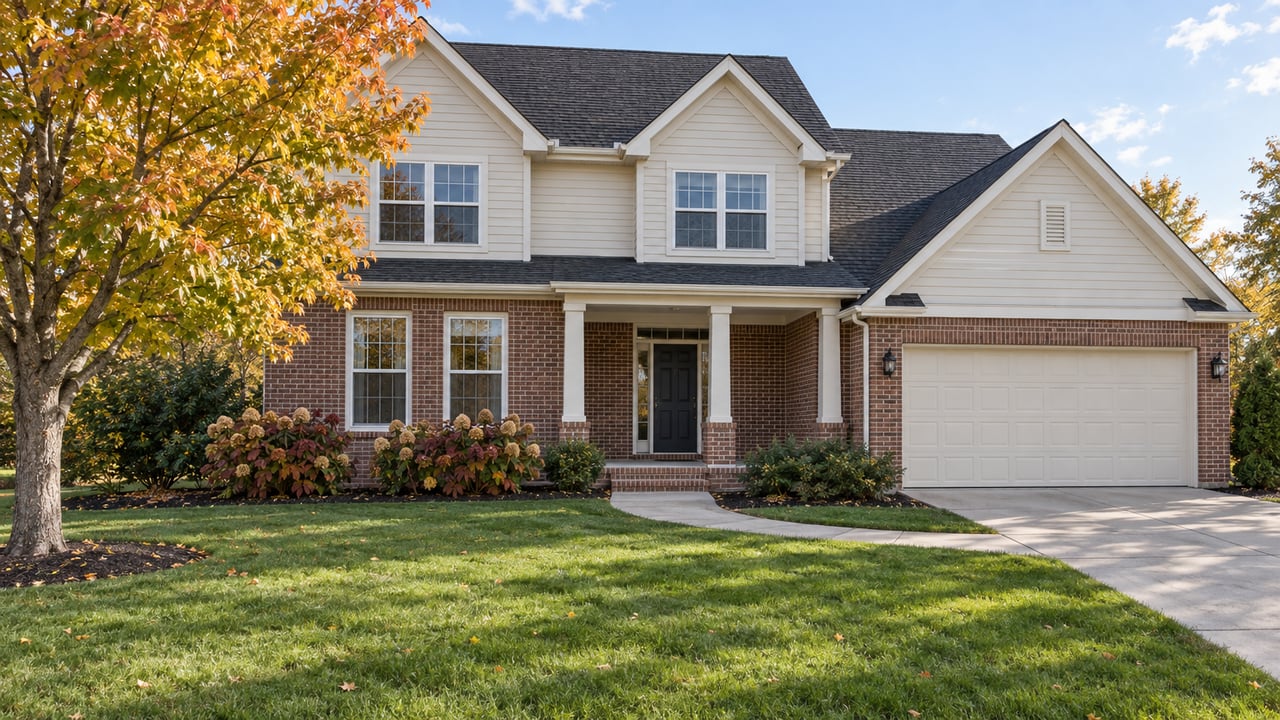
If you are choosing between Carmel and Zionsville for a luxury suburban home, you are really choosing between two different lifestyles. Both offer strong amenities, attractive housing options, and easy access to the north side of Indianapolis, but they feel very different day to day. This guide will help you compare Carmel and Zionsville through the lens of luxury living, so you can narrow in on the market that best fits your routine, priorities, and long-term goals. Let’s dive in.
Carmel vs Zionsville at a glance
For many luxury buyers, the biggest difference comes down to mixed-use convenience versus village-style charm. Carmel has a more urban-suburban feel, with multiple central districts, walkable mixed-use development, and a wider range of attached and infill housing near dining and retail. According to the City of Carmel’s community information, the city’s identity is tied to redevelopment, walkability, and amenity-rich districts.
Zionsville takes a different approach. Its official materials focus on preserving a historic village core, brick Main Street, and surrounding rural landscapes, which creates a quieter and more small-town rhythm. The Town of Zionsville’s overview highlights that blend of historic character, village identity, and preservation.
Carmel’s luxury appeal
Carmel stands out if you want a luxury home base with more activity close at hand. The city’s core is built around several distinct districts, including the Arts & Design District, City Center, and Midtown, each adding restaurants, boutiques, galleries, and mixed-use housing options.
That matters for buyers who want more than square footage. In Carmel, your daily routine may include a short trip to coffee, dinner, events, or retail in a setting that feels more connected and more urban-suburban than a traditional bedroom community. For some buyers, that convenience is a major part of the luxury experience.
Walkable mixed-use living
Carmel offers more visible variety in premium housing types near its central amenity zones. The city points to projects such as Carmel City Center, The Signature, and North End, which include combinations of condos, apartments, townhomes, single-family homes, office space, and retail.
If you are considering a lock-and-leave lifestyle, a luxury condo, or an upscale home near restaurants and services, Carmel may give you more options. That product mix is especially appealing if you want ownership with lower-maintenance living or a more connected daily routine.
Shopping, dining, and recreation in Carmel
Carmel’s amenity base is broad and easy to feel in everyday life. The city notes more than two dozen unique boutiques, more than 11 galleries, multiple central districts, and Clay Terrace with more than 70 retailers.
Outdoor access is also a major draw. Carmel reports nearly 200 miles of trails and 13 parks, which supports an active lifestyle across the city rather than in one single pocket. If you want a place where errands, recreation, and dining can all fit neatly into your week, Carmel has a strong case.
Zionsville’s luxury appeal
Zionsville tends to resonate with buyers who want luxury in a quieter, more village-centered setting. Its historic brick Main Street and preserved town character give it a more traditional and more intimate feel than Carmel’s multi-district core.
The town’s planning framework reinforces that identity. Zionsville describes a community made up of village, suburban, and rural contexts, with a strong emphasis on preserving its village core and rural landscapes. That structure can be especially attractive if you want a home that feels tucked away while still keeping a recognizable town center nearby.
Village charm and open settings
One of Zionsville’s biggest advantages is the way it balances a compact center with more open edges. The town’s rural-to-urban transition planning materials describe a mix of residential forms while also preserving rural landscapes and the historic village environment.
For luxury buyers, that often translates into a different type of setting. You may find the Village more walkable and close-knit, while areas farther out can feel more spacious and more estate-like. If privacy, larger lots, or a less built-up atmosphere are high on your list, Zionsville may align better with your goals.
Downtown identity and recreation in Zionsville
Zionsville’s downtown is central to its appeal. The town describes around 175 businesses in the Village Business District, along with public art, facade support, and a year-round downtown activity structure that supports the village center.
Recreation is another strength. Zionsville cites more than 800 acres of parkland, 20-plus parks, and the Big-4 Rail Trail as the 5-mile spine of a broader 20-plus mile pathway system. If you picture luxury suburban living as peaceful streets, trail access, and a distinct town center, Zionsville checks many of those boxes.
Which market is more expensive?
Right now, Zionsville reads as the pricier market. According to the U.S. Census Bureau QuickFacts comparison, the median owner-occupied housing value is $486,800 in Carmel and $587,800 in Zionsville.
The research also notes recent Redfin median sale prices of $532,000 in Carmel and $800,000 in Zionsville for March 2026. These figures come from different sources and time frames, so they should be used directionally, not as direct substitutes. Still, both point to the same takeaway: Zionsville is currently the higher-priced market overall.
Commute and access
Both communities offer solid access, but their road networks differ. Carmel is organized around major north-south routes including U.S. 31, U.S. 421, Keystone Parkway, and Hazel Dell Parkway, with key connections to I-465, according to the city’s Geography, GIS, and Maps page.
Zionsville emphasizes access from I-65, U.S. 421/Michigan Road, and SR 334/Oak Street. On average, commute times are fairly close, with ACS mean travel times of 24.6 minutes in Carmel and 22.7 minutes in Zionsville. For most buyers, the practical difference is less about raw commute time and more about whether you prefer Carmel’s denser network of activity or Zionsville’s calmer flow.
How to choose the right fit
If you are deciding between these two luxury markets, it helps to think beyond price and square footage. The better question is how you want your day to feel once you move in.
Choose Carmel if you want:
- A more urban-suburban luxury environment
- Multiple mixed-use districts near home
- More attached housing and infill options
- A denser cluster of dining, shopping, and services
- Broad trail and park access across a larger city fabric
Choose Zionsville if you want:
- A more village-centered daily experience
- Historic downtown character and brick Main Street appeal
- A quieter atmosphere overall
- Better odds of finding open, edge-of-town settings
- A market that currently trends higher in pricing
Final thoughts for luxury buyers
There is no one-size-fits-all winner in the Carmel versus Zionsville conversation. Carmel offers a more connected, amenity-rich suburban lifestyle with a stronger mixed-use feel, while Zionsville offers a more traditional village setting with a quieter pace and more open surroundings.
The right choice depends on what luxury means to you. If you want help comparing neighborhoods, home styles, and market opportunities across Carmel, Zionsville, and the surrounding north side suburbs, connect with The Dakich Team for thoughtful, senior-led guidance tailored to your goals.
FAQs
Which town feels more urban-suburban for luxury buyers, Carmel or Zionsville?
- Carmel feels more urban-suburban because it has multiple mixed-use districts, walkable central areas, and more housing options near shopping and dining.
Which town feels more village-like for luxury buyers, Carmel or Zionsville?
- Zionsville feels more village-like because its identity is centered on the historic brick Main Street, village core, and preserved rural landscapes.
Which market is currently more expensive for luxury suburban buyers, Carmel or Zionsville?
- Zionsville is currently the more expensive market based on both Census housing-value data and the recent sale-price data referenced in the research.
Which town may offer more larger-lot or edge-of-town luxury settings, Carmel or Zionsville?
- Zionsville may offer more larger-lot or edge-of-town settings because its planning framework includes rural-service areas and a strong emphasis on preserving open landscapes.
Which location offers more walkable mixed-use luxury housing options, Carmel or Zionsville?
- Carmel offers more visible mixed-use luxury housing options, including condos, townhomes, and other ownership choices near central amenity districts.