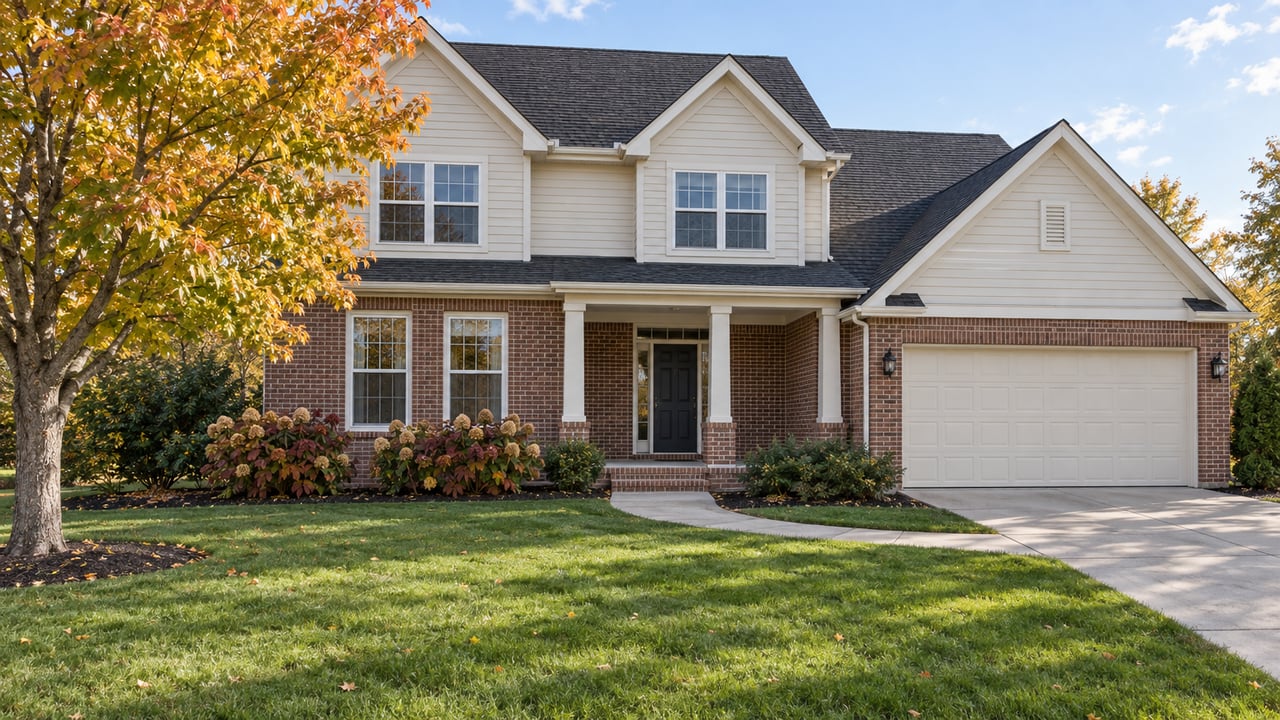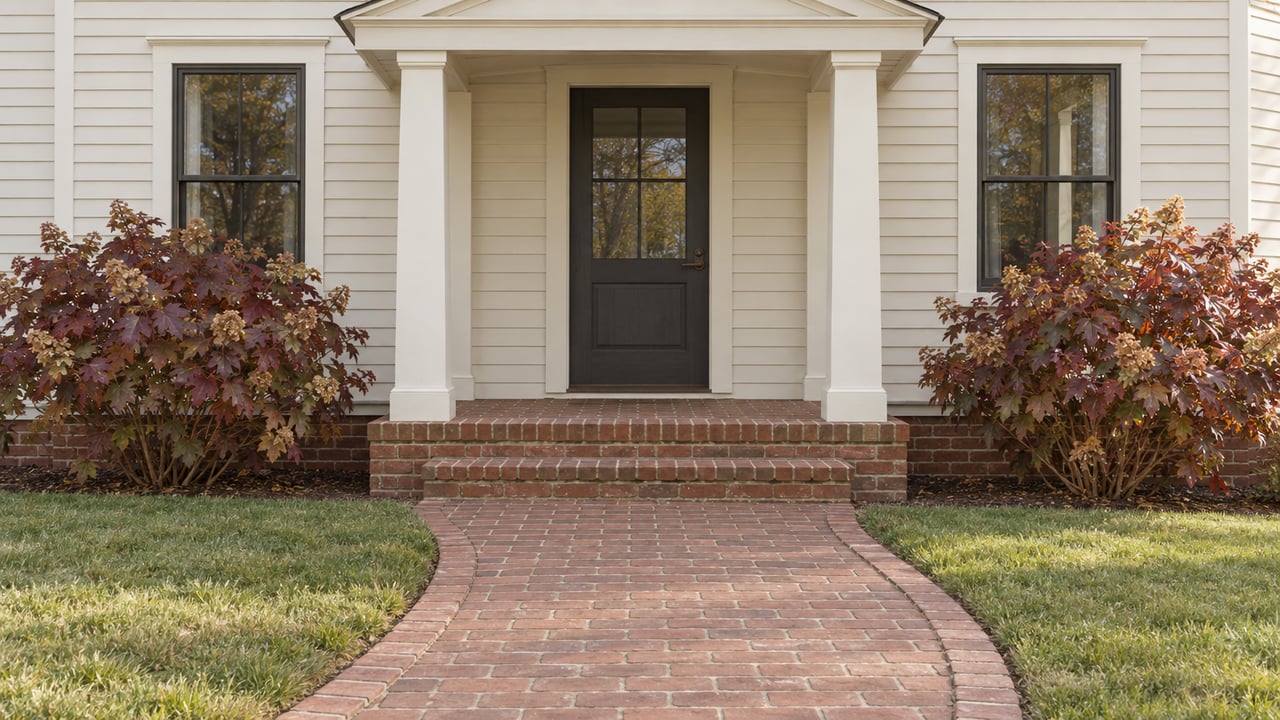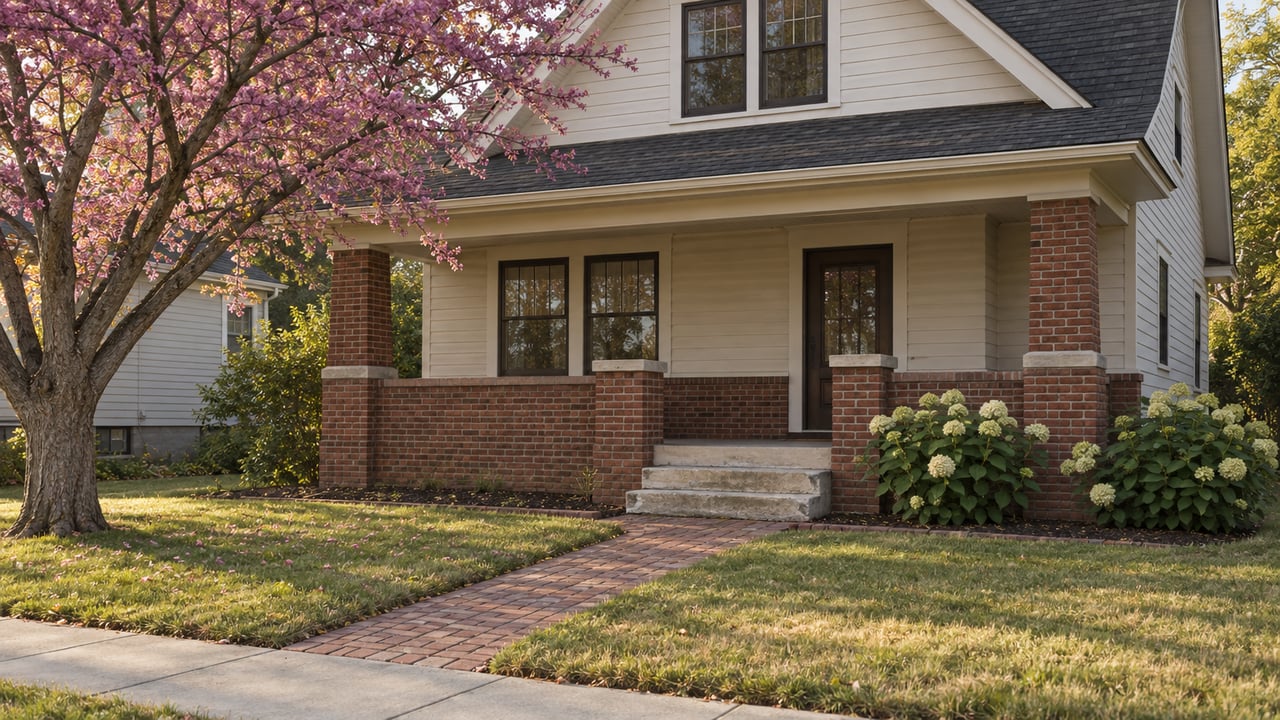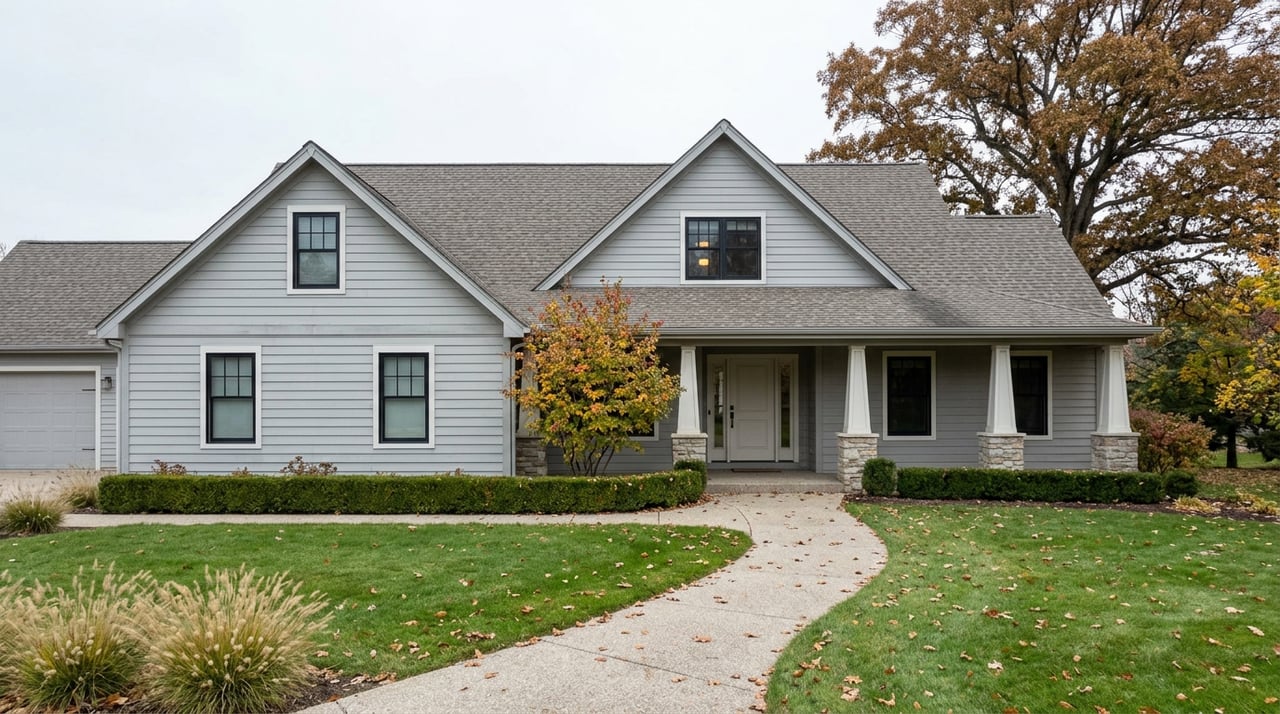
Thinking about a move to Carmel? When you are relocating from another city or state, it is easy to focus on home photos first and figure out the rest later. In Carmel, that approach can waste time. If you start with commute patterns, activity hubs, school boundaries, and move-in logistics, you can narrow your options faster and make a more confident decision. Let’s dive in.
Start With Carmel’s Big Picture
Carmel is a city just north of Indianapolis with a population of more than 100,000, and the city highlights a broad range of housing opportunities for new residents. On its official resident resources pages, Carmel points newcomers to key moving information, including where to live, what services are available, and how to compare neighborhoods. You can explore those resources through the city’s Moving to Carmel page and resident information hub.
For relocation buyers, the first practical takeaway is simple: Carmel is easier to understand when you think in terms of daily life, not just subdivision names. Where you drive, walk, bike, and spend free time will shape your experience as much as the house itself.
Use Activity Hubs To Guide Your Search
If you are new to Carmel, neighborhood names may not mean much at first. A better way to begin is by using the city’s own major activity areas as filters for your search.
Arts And Design District
The Arts & Design District in Old Town is known for galleries, showrooms, restaurants, antique stores, and specialty retail. If you want a more historic, arts-oriented setting with destination dining and shopping nearby, this is one of the clearest comparison points in Carmel.
Midtown And City Center
The city describes Midtown as a city-developed urban park and mixed-use corridor. City Center is closely tied to the Palladium and other performing arts venues. If you want a more urban, mixed-use feel with easy access to events and gathering spaces, these areas are worth prioritizing.
Monon Corridor And Park Access
Homes near the Monon Greenway and major park clusters can appeal to buyers who want easy access to trails and recreation. Carmel Clay Parks & Recreation manages 22 parks and greenways throughout the city, including destinations such as Central Park, West Park, Founders Park, Flowing Well Park, Hazel Landing Park, and the Monon Greenway, as shown on the CCPR jurisdiction map.
Compare Commutes Before Home Features
One of the most important relocation tips for Carmel buyers is to study road access early. According to the city’s geography resources, major north-south routes include U.S.-421 on the west edge, U.S.-31 through the middle, Keystone Parkway farther east, and Hazel Dell Parkway on the far east side. The city also notes that U.S.-421, U.S.-31, and Keystone Parkway connect with I-465 along Carmel’s southern boundary through regional interchanges, which can make a major difference in your day-to-day routine. You can review that layout on the city’s Geography, GIS & Maps page.
This matters because two homes with similar prices and features can feel very different once you factor in your route to work, the airport, Indianapolis, or recurring appointments. Before you plan a tour, map the drive times that matter most to you.
Plan For A Car-First Routine
Carmel’s transportation page states that the city does not have public transportation, though residents can find regional transportation information through IndyGo and CIRTA. For most buyers, that means it makes sense to evaluate the driving experience first, then layer in walkability, trail access, and bike convenience. The city’s Transportation Services page is the best place to confirm those details.
Screen Neighborhoods Virtually First
If you are relocating from out of town, you do not need to visit every possible area in person. Carmel provides strong official tools that can help you narrow your list before you ever get in the car.
Use The City’s GIS Tools
The city’s Planning and Maps resources include interactive layers for zoning, streets, subdivisions, and parcels. These tools can help you look beyond the listing photos to understand lot context, nearby road patterns, and whether a property sits near a stable residential area or a corridor with active development.
This kind of research is especially helpful if you are trying to avoid surprises. A house may look ideal online, but the surrounding land use and development pattern can change how it feels once you live there.
Check Amenity Access Early
Virtual screening also works well when you compare homes by proximity to Carmel’s main destinations. Instead of asking only, “Which subdivision is this in?” ask practical questions like:
- How close is it to the Monon Greenway?
- How quickly can you get to Midtown, City Center, or Old Town?
- What park options are nearby?
- How direct is the route to the places you will visit most often?
That approach makes your in-person visit much more productive.
Build A Smart Discovery Visit
Once you have a short list, plan a focused neighborhood tour instead of trying to see all of Carmel at once. A one-day or weekend loop can give you a much clearer feel for how different parts of the city function.
Use The Monon As A Tour Spine
Carmel’s bike and trail resources say there is free parking, restrooms, and water at Monon trailheads at 1430 East 96th Street and 1201 Rohrer Road. The city also notes free parking at One Civic Square and the Monon Depot lot. Because the Monon Greenway runs about 5.2 to 5.5 miles through Carmel, it can work as a practical backbone for a discovery day. You can confirm details on the city’s Bike Carmel page.
A simple visit plan might include driving your likely commute route in the morning, visiting homes or target areas near one or two activity hubs, and then walking or biking part of the Monon to get a better feel for the city’s daily rhythm.
Verify School Boundaries By Address
If school assignment is part of your move, do not rely on neighborhood labels or assumptions. Carmel Clay Schools says it serves about 16,000 students and 2,400 staff across 15 school sites, including 11 elementary schools, 3 middle schools, and 1 high school. The district’s explore page directs families to the School Boundary Locator, which is the right tool for checking assignment by exact address. You can start with the district’s About page and Explore page.
This is one of the most important details to confirm before making an offer. If a specific school assignment matters to your plans, verify it early and verify it by property address.
Line Up Utilities And Move-In Logistics
Long-distance moves usually go more smoothly when you handle service questions before closing week. Carmel Utilities is city-owned and provides water, wastewater, and trash and recycling service. The city’s Utilities page includes the customer portal for starting service, along with annual reports and water quality reports.
For many buyers, a practical sequence looks like this:
- Confirm the school boundary if needed.
- Test the commute and road access.
- Review utilities and start-service timing.
- Schedule your final in-person walk-through.
That order can help if you are coordinating a job start date, a lease ending, or a cross-country move.
Focus On Daily Function, Not Just Curb Appeal
Relocating buyers often feel pressure to decide quickly, especially if travel time is limited. The best way to reduce stress is to build your search around how you will actually live in Carmel.
Ask yourself which matters most in this season of life:
- Quick regional highway access
- Nearness to Carmel’s arts and cultural hubs
- Trail and park access
- A more mixed-use setting near Midtown or City Center
- Predictable move-in logistics with verified schools and utilities
When you answer those questions first, the right home usually becomes easier to spot.
A relocation move has a lot of moving parts, but you do not have to sort through them alone. If you want experienced, local guidance as you compare areas, refine your home search, and plan a smart visit, The Dakich Team is here to help you make your move with more clarity and less stress.
FAQs
How do you start researching Carmel neighborhoods before visiting?
- Start with Carmel’s official planning and GIS maps to review zoning, subdivisions, parcels, and nearby development before you schedule an in-person visit.
Which parts of Carmel feel most walkable or urban for relocating buyers?
- The city-defined comparison points most often associated with a walkable or urban feel are the Arts & Design District, Midtown, City Center, and areas near the Monon corridor.
Do you need a car when living in Carmel, Indiana?
- Yes, most buyers should plan for a car-first routine because Carmel’s transportation resources state that the city does not have public transportation.
How do you confirm school assignment in Carmel Clay Schools?
- Use the Carmel Clay Schools School Boundary Locator through the district’s explore page and confirm by exact property address.
Where do you set up utilities when moving to Carmel?
- You can start water, wastewater, and trash or recycling service through the city-owned Carmel Utilities portal.